
Tell us about your project and we’ll follow up with a clear, no‑pressure quote and timeline.
The short version
In most Florida HOAs, resealing your driveway or patio with the same color and a similar finish to what’s already there does not require a new architectural review submission, since you’re maintaining the existing approved look, not changing it. Where approval is required is when you’re changing the finish type (say, switching from matte to a high-gloss wet-look), changing the paver color, or doing a full paver replacement rather than a reseal. When in doubt, a quick email to your management company asking “does resealing in the same color need a form” takes five minutes and avoids any question later.
Florida HOA associations generally have to respond to architectural review requests within a reasonable time, which courts have generally treated as around 30 days unless your governing documents specify otherwise. In some cases, failing to respond within that window can result in automatic approval, though this depends heavily on your specific community’s documents and shouldn’t be relied on without reading them. If you’re doing anything beyond a same-color reseal, submit the request and get it in writing rather than assuming silence means yes.
For any paver project that does need approval, a complete submission typically includes the paver manufacturer and product name, the specific color name or number, the size and pattern, and the sealer finish (natural, satin, or wet-look). Boards move faster on complete submissions. An incomplete one, missing the finish type or color name, is the most common reason a straightforward request gets delayed instead of approved on the first pass.
If you’re on an HOA board reviewing these requests, approving one owner’s paver color or finish while denying a similar request from another owner without a documented reason is a real legal exposure point, not just a fairness issue. Any criteria used to approve or deny a request should already exist in your community’s architectural guidelines, not be invented case by case. Keeping a simple log of what’s been approved and why makes future decisions faster and more defensible.
The most common objection we hear about is high-gloss, wet-look sealers on street-facing driveways, some communities restrict them for aesthetic consistency across the neighborhood. Color changes that stand out from neighboring homes are the other frequent sticking point. Neither of these applies to a standard, same-color reseal with a similar sheen to what’s already there, which is why that specific case usually doesn’t need review at all.
If your project needs approval, build in the response window before you schedule the work. A same-color reseal can typically be scheduled right away. A color change, finish change, or full paver replacement should go through your community’s process first, both to avoid a violation notice and because redoing an unapproved installation costs far more than the wait would have.
Not sure whether your project needs approval, or want documentation you can hand to your board? See our Commercial & HOA Paver Sealing page or request a free estimate and we’ll help you figure out what’s needed.
| Project Type | Typically Needs Approval? |
|---|---|
| Resealing in the same color and similar finish | Usually no |
| Switching from matte to high-gloss wet-look | Usually yes |
| Changing paver color | Yes |
| Full paver replacement | Yes |
| Repairing/replacing a few damaged pavers with matching stock | Usually no |
| New paver installation (previously grass/concrete) | Yes |
This is a general guide, not legal advice. Always confirm against your specific community’s governing documents.
Florida Statute 720.3035 governs architectural review for homeowners’ associations and requires that any parcel owner improvement request be reviewed under standards that are applied consistently and are not arbitrary. It doesn’t hand boards unlimited discretion, criteria have to come from the association’s recorded governing documents, not be invented in the moment a request comes in. If a board denies a request, Florida law generally expects that denial to reference a specific standard in those documents, not just a board member’s personal preference. This is worth knowing if you ever need to push back on a denial that seems inconsistent with what’s been approved for other homes in your community.
If your project needs approval, here’s a realistic timeline to plan around: submit your request with product, color, and finish details (day 1), allow up to 30 days for a board response depending on your community’s meeting schedule and documents, and build in another week or two of buffer before your preferred start date. Communities with monthly board meetings sometimes take the full window since your request has to land on an agenda. Submitting well before you actually want the work done, rather than right when you’re ready to schedule it, avoids most of the frustration homeowners run into with this process.
In most Florida HOAs, no, since you’re maintaining the existing approved look rather than changing it. This varies by community though, so a quick check with your management company is worth the five minutes.
Florida associations generally must respond within a reasonable time, which courts have often treated as around 30 days unless the governing documents say otherwise. Some communities’ documents specify automatic approval if they miss that window, but this depends entirely on your specific documents.
A complete submission typically includes the paver manufacturer and product name, the color name or number, the size and pattern, and the sealer finish type. Missing the finish type is one of the most common reasons a submission gets delayed.
Yes, if their architectural guidelines restrict high-gloss finishes on street-facing driveways, which is a fairly common restriction. Check your guidelines before committing to a specific sealer finish if you’re not sure.
This is a real legal exposure point for boards. Approval criteria are supposed to come from the community’s existing architectural guidelines, not be decided case by case, and inconsistent enforcement can be challenged.
Yes, see our Commercial & HOA Paver Sealing page, we can provide the product, color, and finish details most boards ask for.
Short, practical articles to help you keep your driveway, patio, and pool deck looking freshly sealed between professional visits.
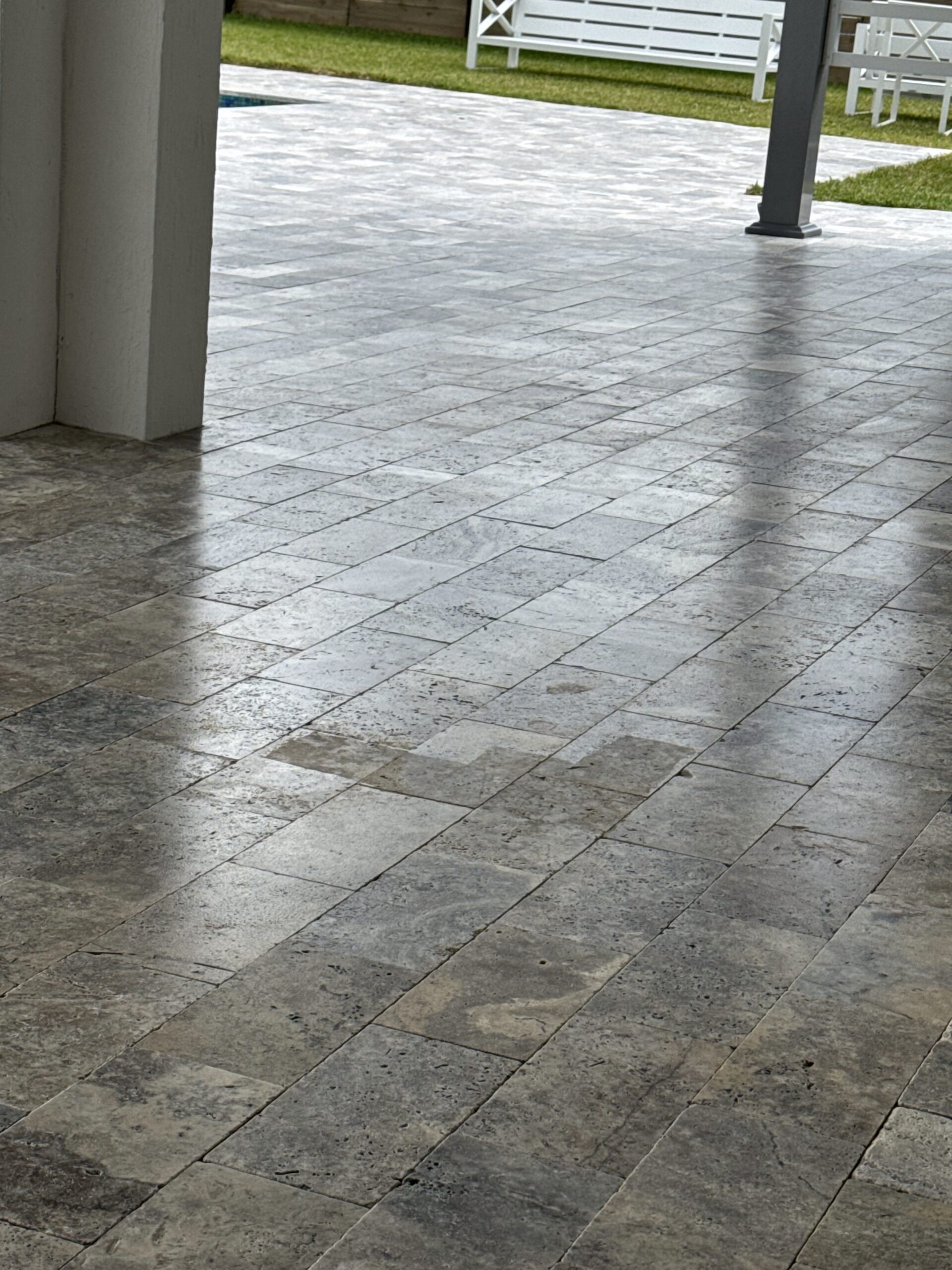
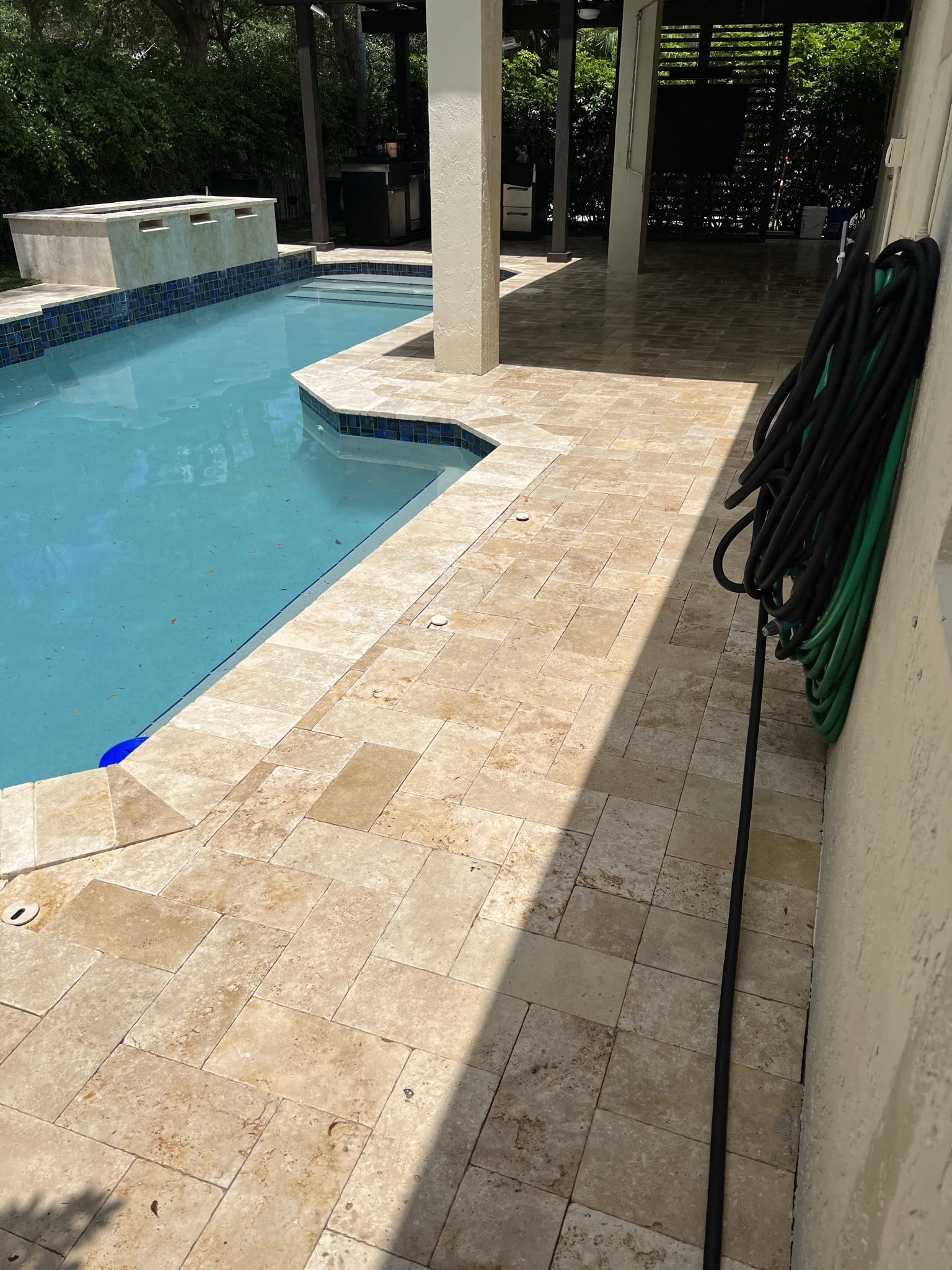


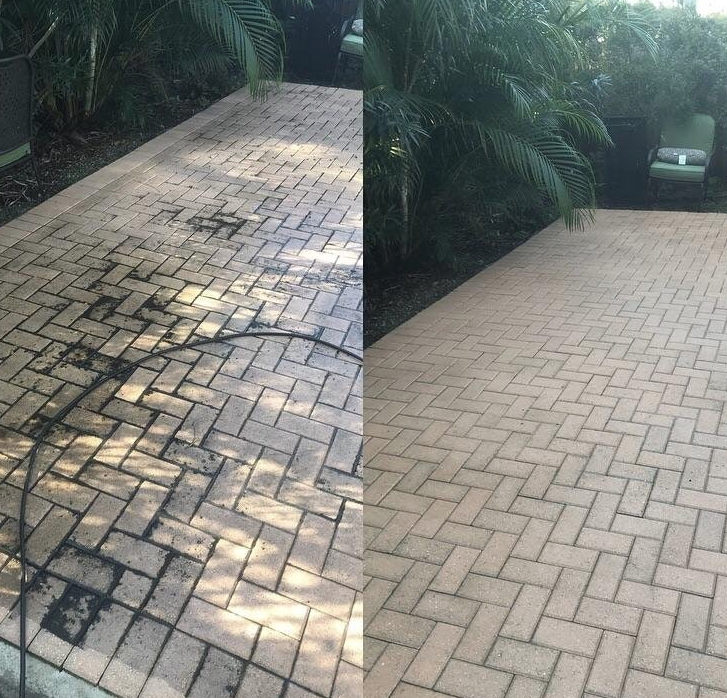
South Florida homeowners trust us to clean, sand, and seal their pavers the right way the first time, here’s what they’re saying after seeing their driveways, patios, and pool decks transformed.
Broward County, Miami-Dade County, & Monroe County