
- Home
- Paver Restoration
Paver Restoration
Bring your faded, stained, or uneven pavers back to life with professional paver restoration. We deep‑clean, repair, re‑sand, and seal your surface so it looks fresh and feels solid underfoot again.
Our Services
Get in touch
Tell us about your project and we’ll follow up with a clear, no‑pressure quote and timeline.
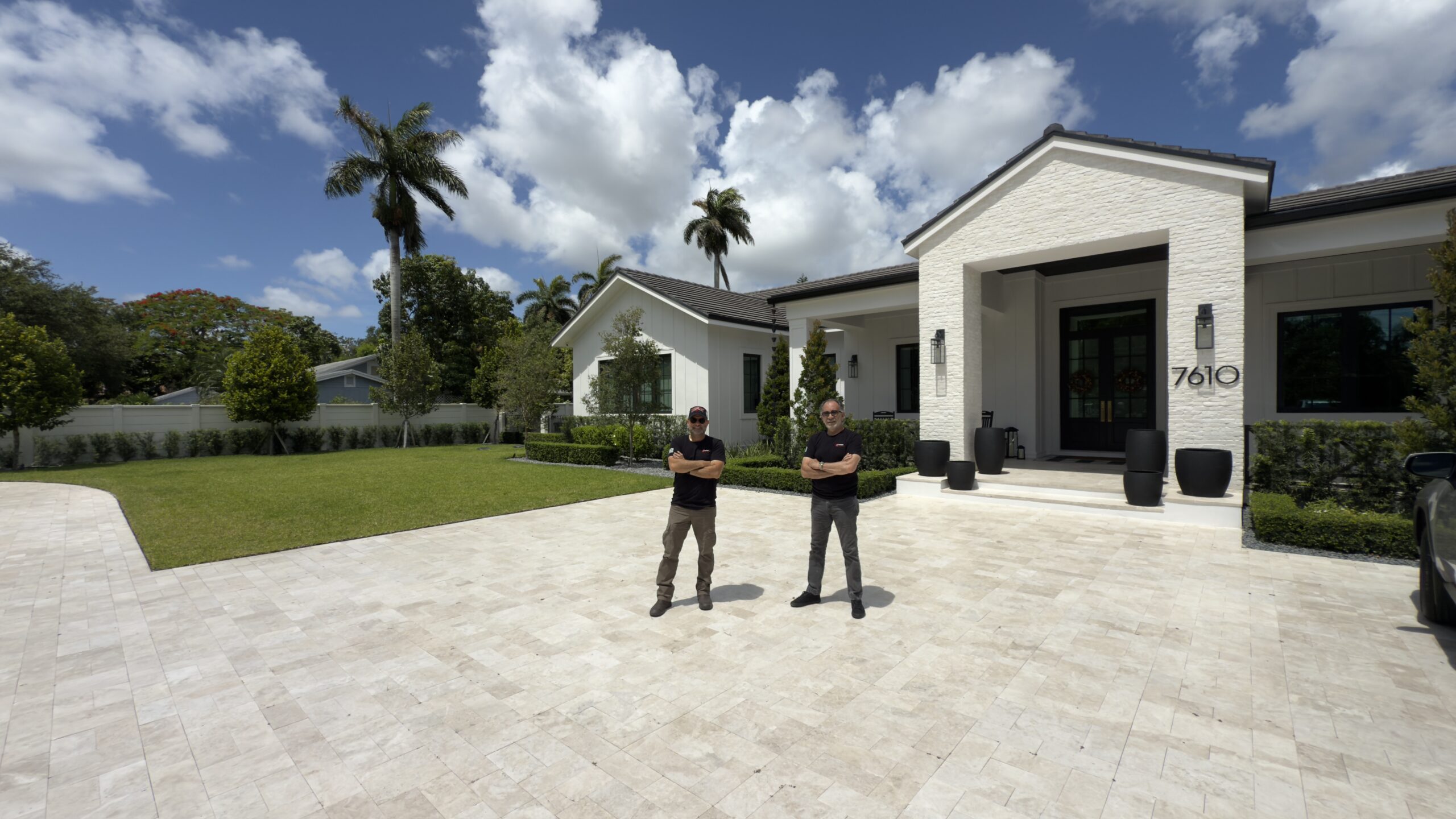
Paver Restoration Done The Right Way
Paver restoration is the process of taking tired, stained, or uneven pavers and making them look and perform like new again. We start with a thorough inspection of your driveway, patio, or pool deck to identify problem areas such as sinking sections, broken pavers, heavy staining, or white haze from old sealer. Our team then builds a restoration plan that addresses the root issues rather than just washing the surface. If the issue is really just one sunken area or a few cracked pavers rather than the whole surface, our paver repair and re-leveling service is often the faster, more targeted fix.
We begin by deep‑cleaning your pavers to remove dirt, algae, efflorescence, and failed sealer so the true color of the stone can come back. If needed, we carefully lift and reset settled areas, replace damaged pavers, and correct any noticeable trip hazards. Once the surface is level and clean, we re‑sweep joint sand to lock the pavers together, then finish with a high‑quality sealer that enhances color and protects against future damage.
Whether your pavers are several years old or you inherited a neglected surface with your home, professional restoration can often make them look like they were just installed. You keep the charm and pattern of your existing pavers while dramatically improving the overall appearance and safety of the space. Our goal is to give you a smooth, fresh‑looking surface that adds curb appeal and feels great to walk or drive on.
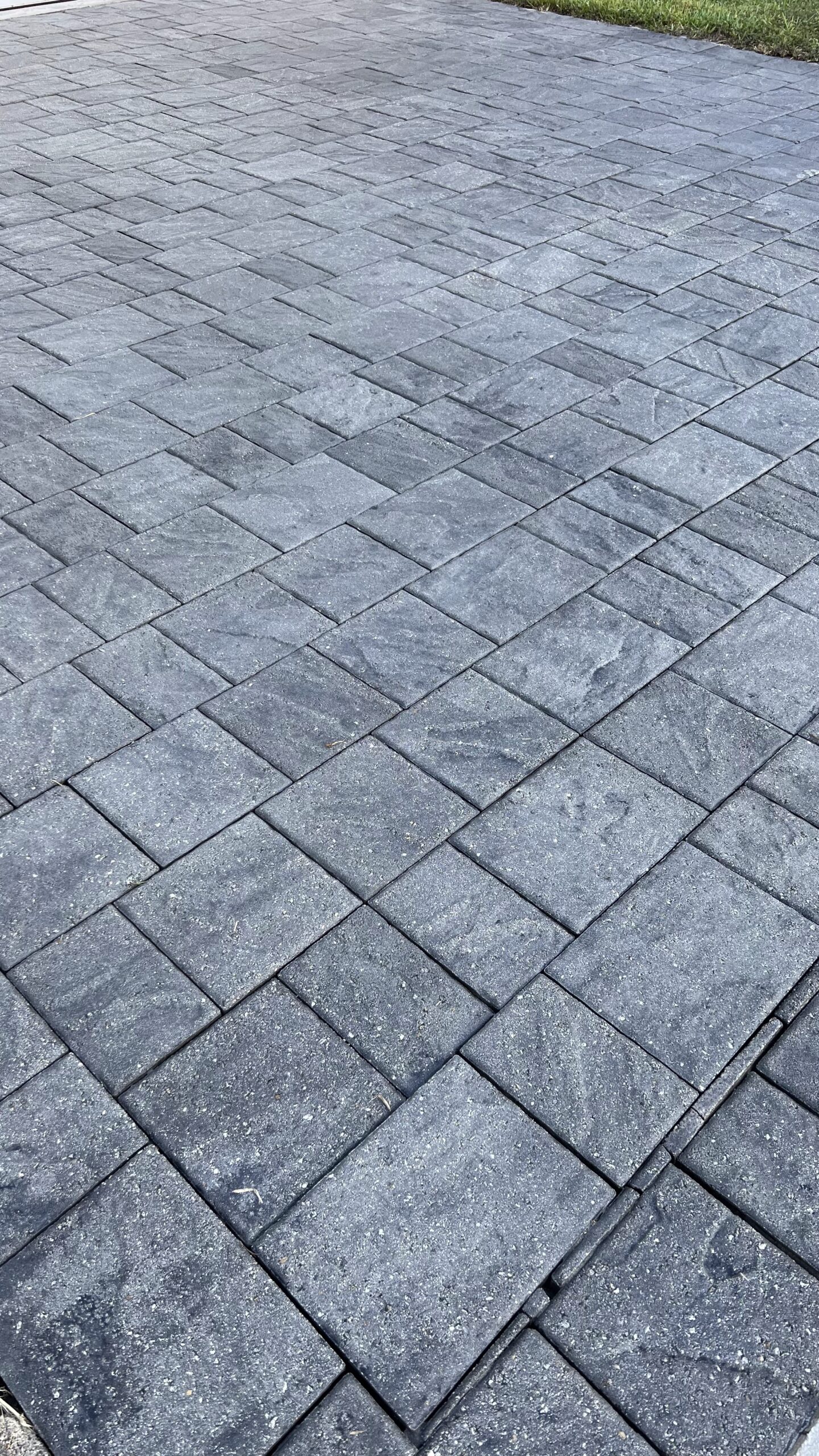
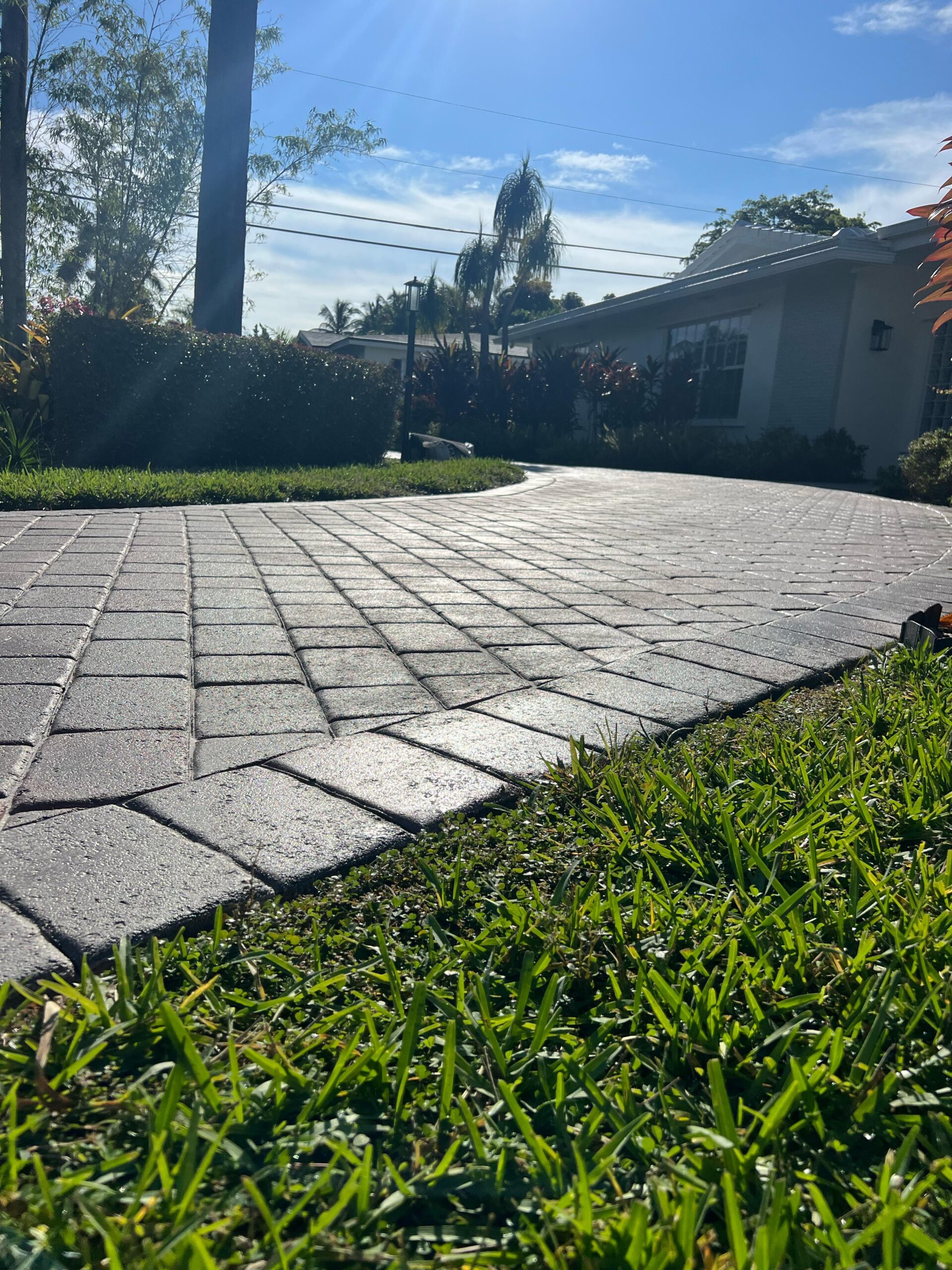
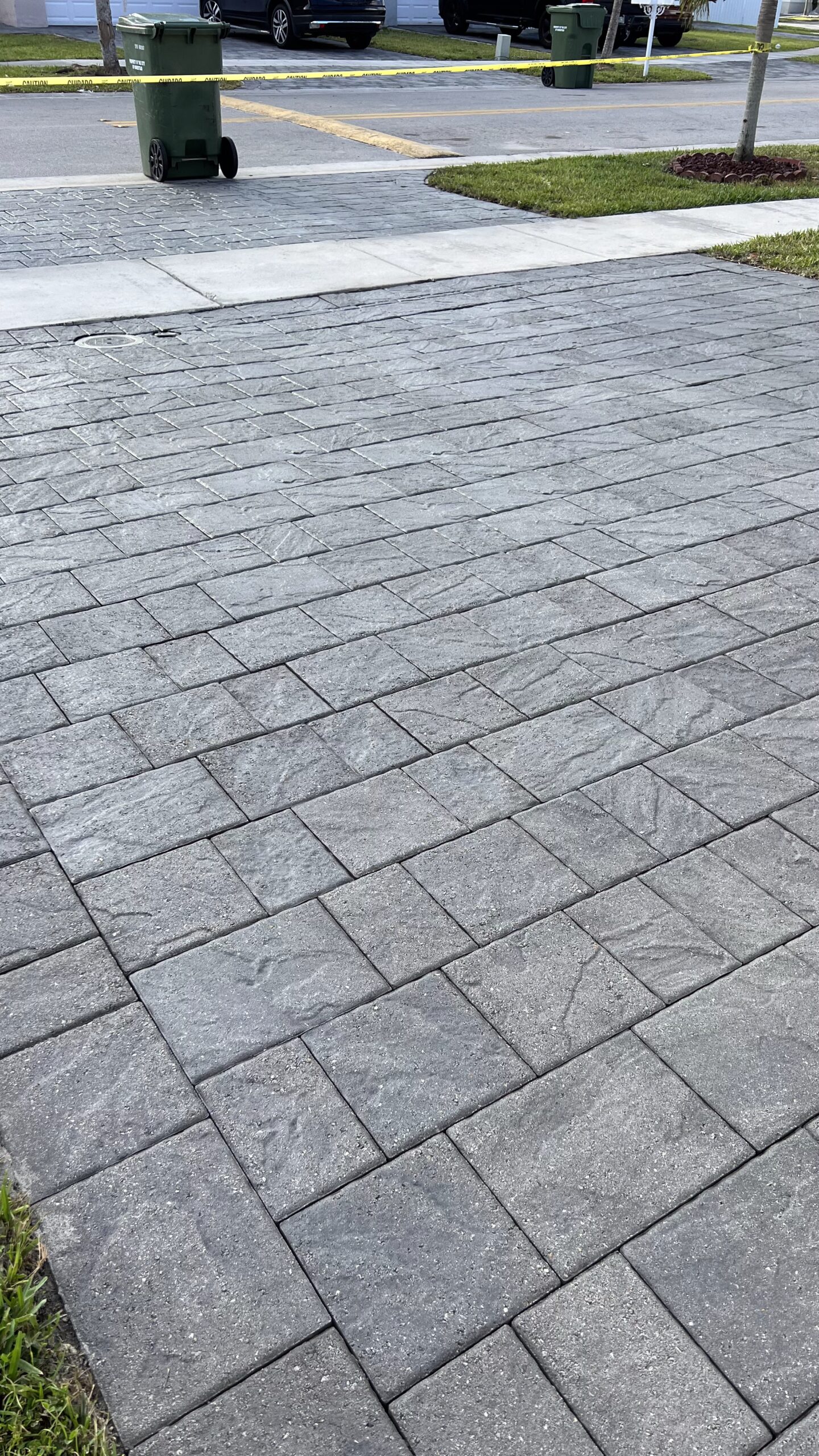
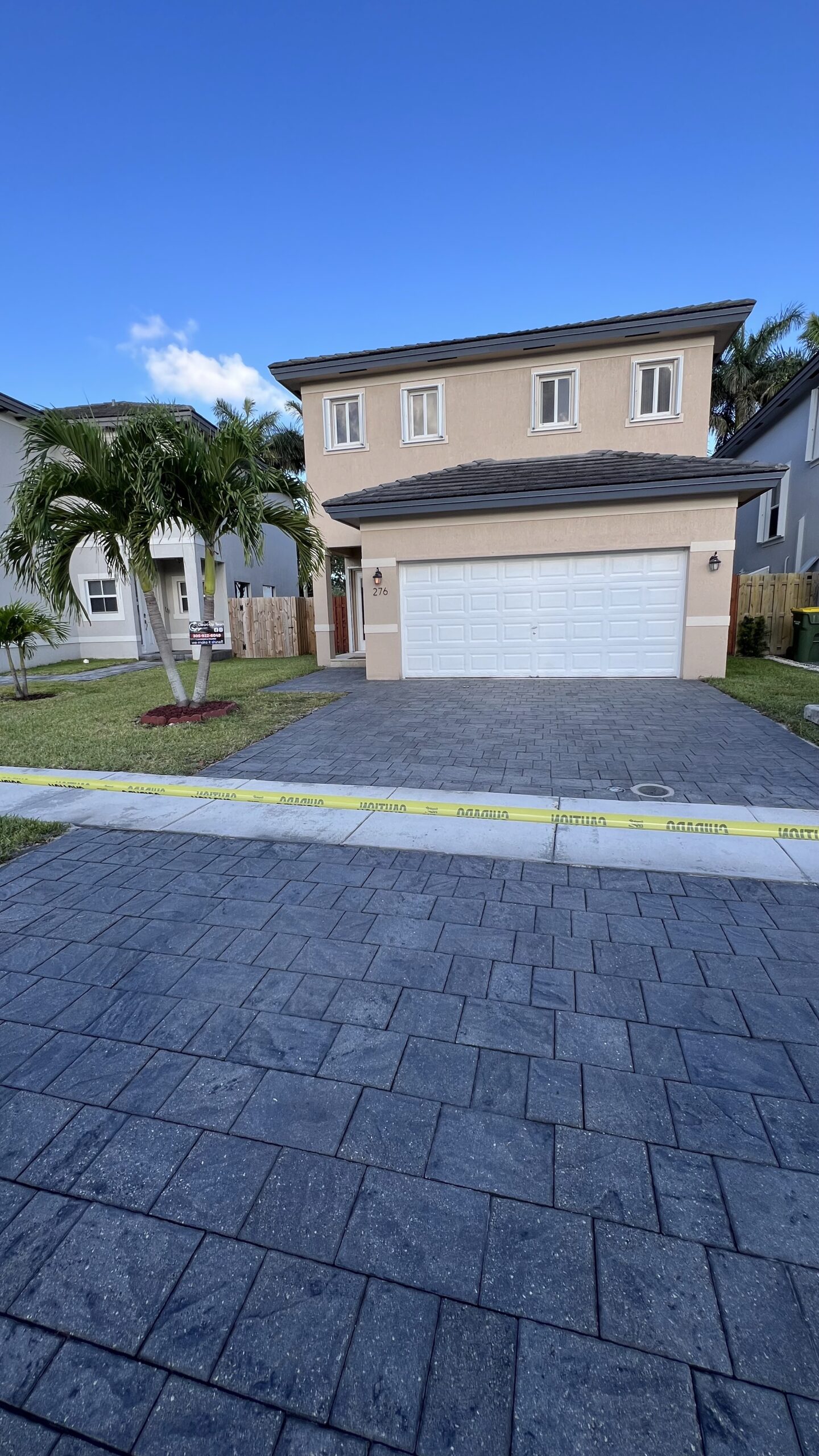
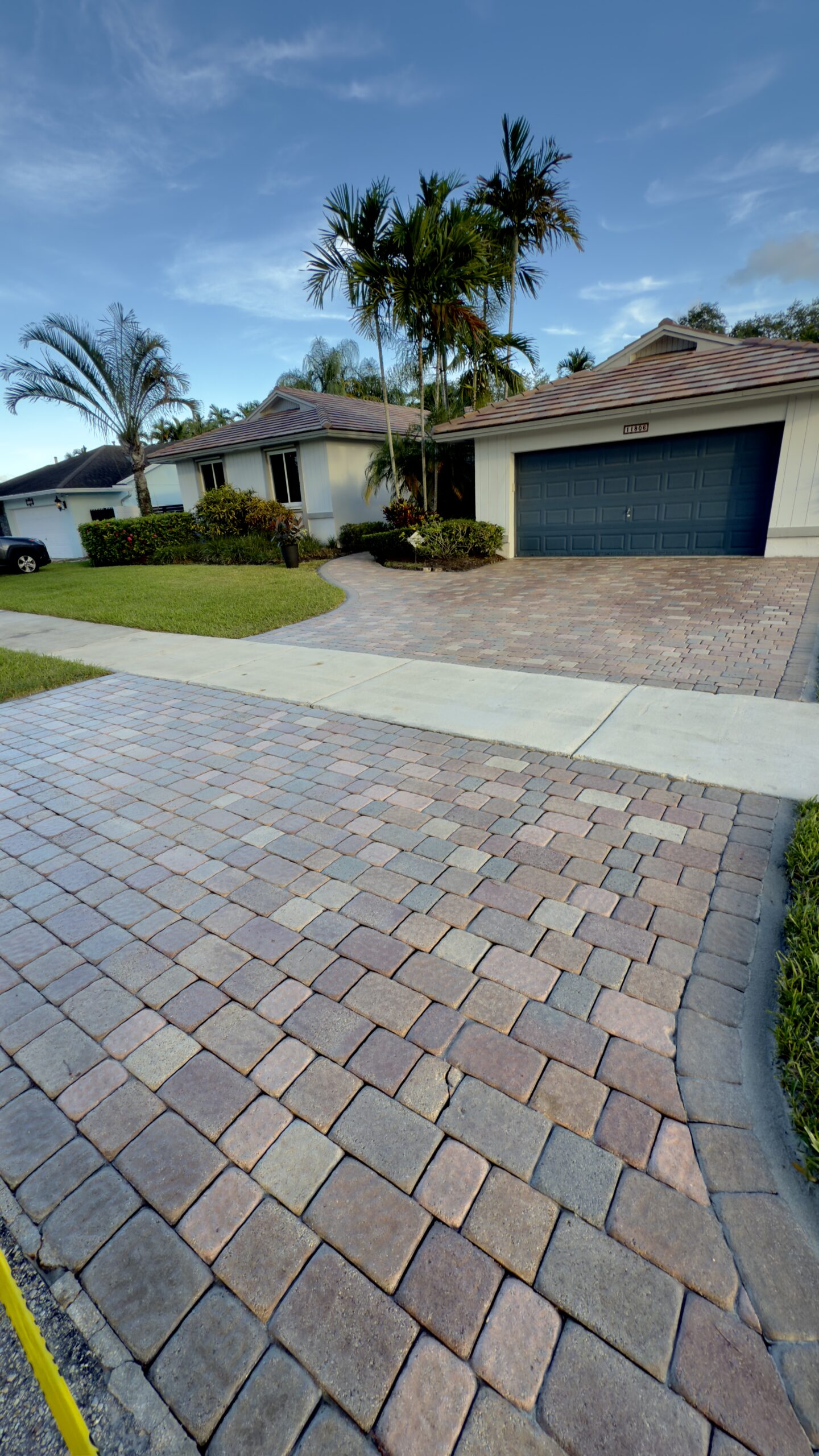
What Our Paver Restoration Can Fix
Faded, dull color from years of sun exposure
White haze, streaks, or blotchy spots from failed or incorrect sealers
Weeds, moss, and joint wash‑out between pavers
Sinking, uneven areas that create puddles or trip hazards
Oil, rust, and leaf stains that ordinary cleaning will not remove
Paver Restoration vs. Replacement
For many homeowners, restoration is a cost‑effective alternative to tearing out and replacing existing pavers. When the base is still structurally sound, restoring allows us to repair problem areas, reset pavers, and apply fresh protection without the expense of a full rebuild. You also avoid the disruption and mess of demolition and new construction.
Replacement makes sense when the base has failed, large sections are severely damaged, or you want a completely different style of paver. If we see signs that restoration alone is not enough, we will explain your options clearly and recommend the solution that will last. In many cases, though, a full restoration delivers a dramatic “before and after” transformation using the pavers you already have.
How to Tell If a Sunken or Uneven Paver Needs Fixing
A general rule of thumb: if there’s a height difference of a quarter inch or more between two pavers, it’s considered a real trip hazard, not just a cosmetic issue. Once you notice a low spot, it usually means the base underneath has shifted or eroded, and it’s rarely just that one paver. A proper fix means lifting the affected pavers, rebuilding the base underneath with fresh, compacted material, resetting the pavers level, and re-sanding the joints. If we’re re-installing a section, we follow the same base standards used on new installs. See our paver installation page for how we build a base that’s meant to last.
Why We Don't Recommend Painting Pavers
If your pavers look faded, painting them can seem like the fast fix. It usually isn’t a good one. Paint sits on top of the paver as a solid film that doesn’t flex or breathe the way a proper sealer does, so in Florida’s heat and humidity it tends to peel, chip and wear unevenly, especially on a driveway that sees regular traffic. Once it starts peeling, the fix is stripping the paint entirely before anything else can be done, which is more work than if it had been restored properly the first time. A professional restoration cleans and repairs the pavers, then applies a real paver sealer, which enhances the existing color and protects the surface without hiding it under a coating that will eventually fail. For more on sealer options, see our guide to choosing a paver sealer in Florida.
Restoring Travertine and Natural Stone
Travertine and other natural stone need a gentler touch than concrete pavers. The stone is porous, so heavy staining and efflorescence go deeper, and aggressive cleaning methods that work fine on concrete can pit or dull natural stone. We adjust our cleaning approach and use a penetrating sealer suited to the material instead of a film-forming one. If travertine is what you’re restoring, our travertine sealing page covers how we treat it differently from concrete and brick.
Uneven Pavers Around Pools, HOAs and Rental Properties
Uneven or sinking pavers are a bigger concern than they look, especially around a pool deck, a shared walkway, or any area guests and tenants use regularly. Beyond the safety issue, HOAs and property owners can be held responsible for a known trip hazard that was never fixed. Restoring the surface before it becomes a liability is almost always cheaper than dealing with an injury claim later, and it’s a straightforward, contained project compared to a full pool deck rebuild.
What Affects the Cost of Paver Restoration
Every restoration project is different, so we quote after seeing the surface rather than guessing over the phone. What typically moves the price:
- How many pavers need to be lifted and reset, not just the visibly sunken ones.
- Staining severity, since heavy efflorescence or old failed sealer takes more work to remove.
- Size of the area being restored.
- Whether pavers need to be replaced due to cracking or chipping, versus reset and reused.
Request a free estimate and we’ll tell you honestly whether your pavers need a full restoration or just a section repaired.
Do my pavers need to be replaced or can they be restored?
Most paver surfaces with cosmetic issues like stains, fading, minor settling, or bad sealer can be successfully restored. We will inspect your project and let you know if the base and pavers are good candidates for restoration or if full replacement is a better long‑term option.
Can you fix uneven or sinking pavers?
Yes, as part of restoration we can lift, re‑level, and reset sunken or shifted pavers. We address the underlying sand or base material, then reinstall the pavers so the surface is flatter, safer, and more attractive.
Will restoration remove the white haze on my pavers?
In many cases, that white, cloudy look is caused by efflorescence or old sealer that has failed. We use specialized cleaning and stripping methods to reduce or remove the haze, then apply the right sealer to help prevent it from returning.
What does a typical paver restoration include?
Most projects include deep cleaning, stain treatment, repairs to damaged or uneven areas, re‑sanding the joints, and applying a protective sealer. The exact process depends on the condition of your surface and the results you want to achieve.
Is painting pavers a good alternative to restoration?
We don’t recommend it. Paint doesn’t flex or breathe like a real sealer, so in Florida’s heat it tends to peel and chip, especially on driveways. Restoration cleans and repairs the pavers, then applies a proper sealer that protects without hiding the surface under a coating that will eventually fail.
Do you need to reset my whole driveway, or just the sunken spot?
Usually more than just the visible low spot. When one paver sinks, the base around it has often shifted too, so we typically lift and reset an area extending well beyond the sunken section to make sure the fix actually holds.
Can travertine or natural stone be restored the same way as concrete pavers?
Not exactly. Travertine is porous and needs a gentler cleaning approach and a penetrating sealer suited to natural stone, rather than the film-forming sealers we use on concrete or brick. See our travertine sealing page for details.
Are uneven pavers a liability risk for HOAs or rental properties?
Yes, and it’s worth taking seriously. A known trip hazard that isn’t addressed can create real liability for an HOA, landlord, or property manager. Restoring the surface is typically far less costly than dealing with an injury claim later.
How long does a paver restoration project take?
It depends on the size of the area and how much repair work is needed, but many residential restorations are completed in one to a few days. We’ll give you a clear timeline as part of your estimate.
- Testimonials
Our Clients Testimonials
South Florida homeowners trust us to clean, sand, and seal their pavers the right way the first time, here’s what they’re saying after seeing their driveways, patios, and pool decks transformed.
- Areas We Serve
Proudly Serving Homeowners Across South Florida
Broward County, Miami-Dade County, & Monroe County