
- Home
- Paver Installation
Paver Installation
Enjoy a permanent upgrade to your driveway, patio, or pool deck with professional paver installation that’s built to last, from demolition and base prep to final joint sand for a sharp, long‑lasting finish.
Our Services
Start Your Free Estimate Here!
Tell us about your project and we’ll follow up with a clear, no‑pressure quote and timeline.
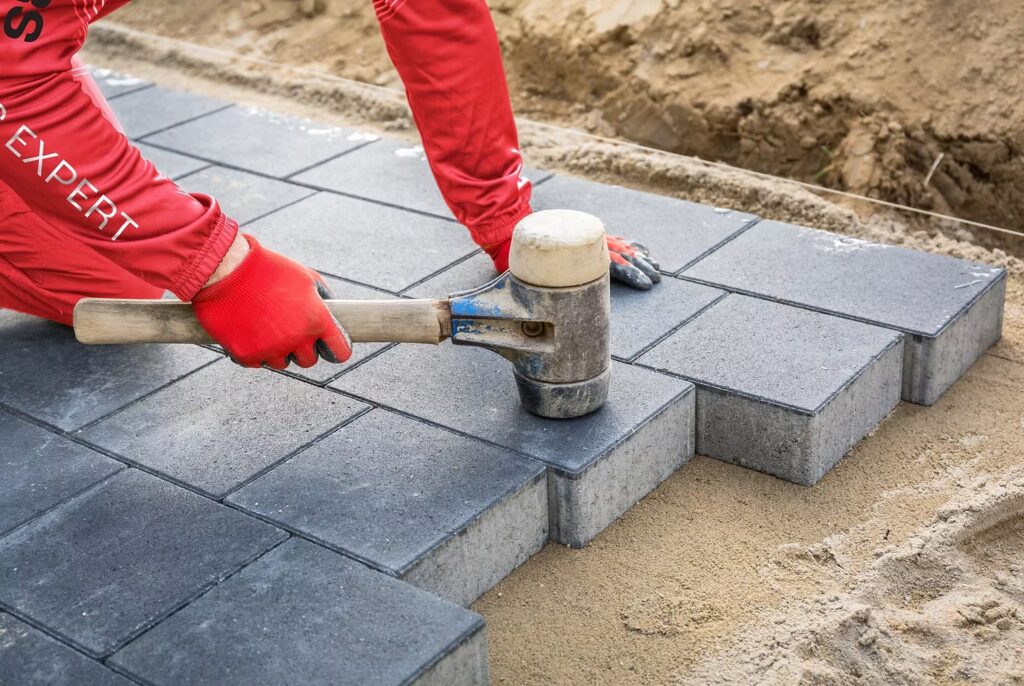
Paver Installation Done the Right Way
Paver installation isn’t just “laying pavers.” It’s a step‑by‑step process that starts with a stable foundation so your surface doesn’t shift, sink, or develop trip hazards. We excavate to the proper depth, install and compact a graded base, add a leveled bedding layer of sand, and only then begin laying your pavers in the pattern you’ve selected.
Once the pavers are in place, we cut and fit the borders, add edge restraints, and sweep polymeric sand into the joints to lock everything together. This interlocking system helps pavers handle vehicle traffic, temperature changes, and heavy use far better than a basic concrete slab. If a paver ever does get damaged, it can be replaced individually instead of tearing out the whole surface.
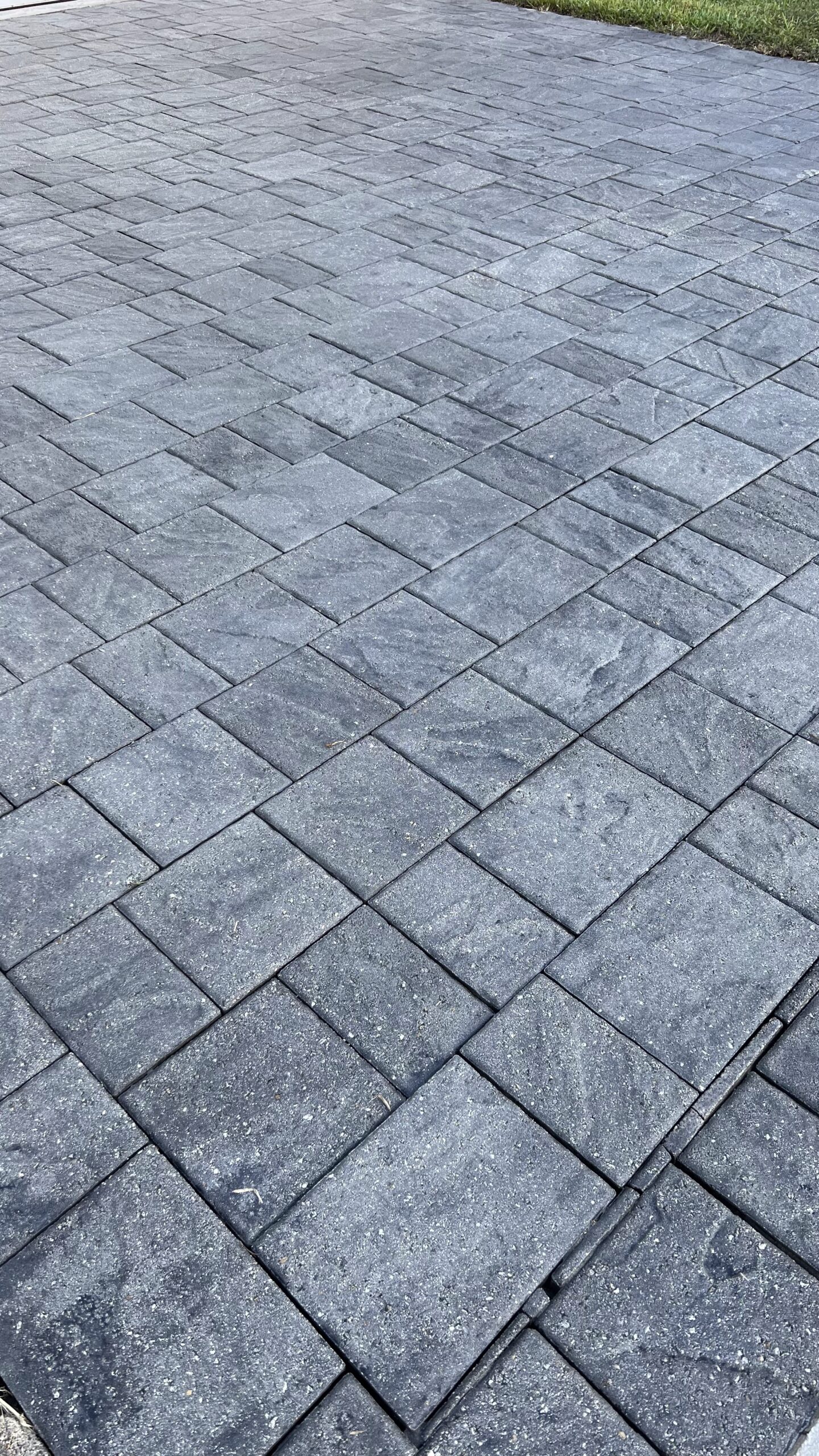
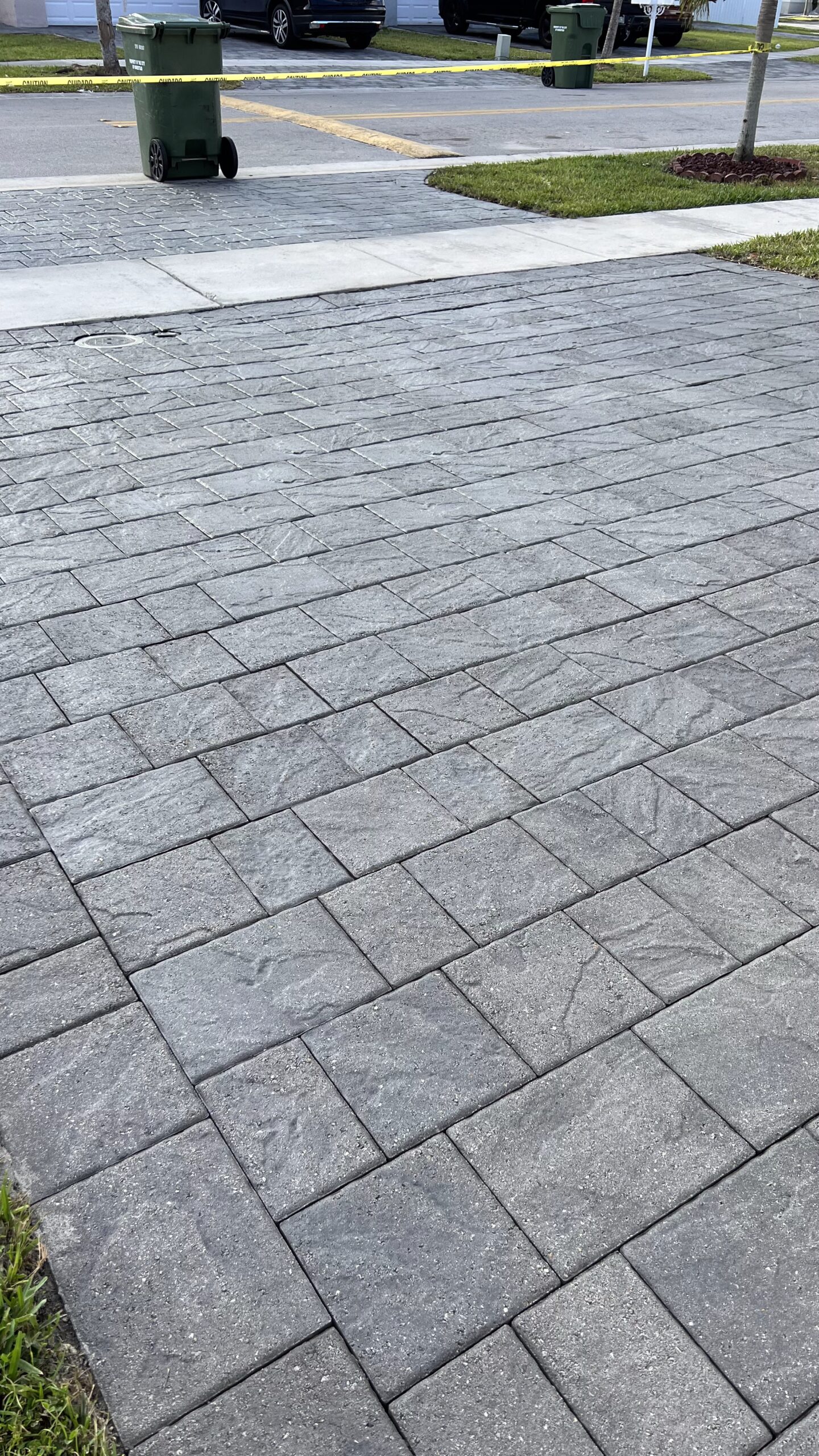
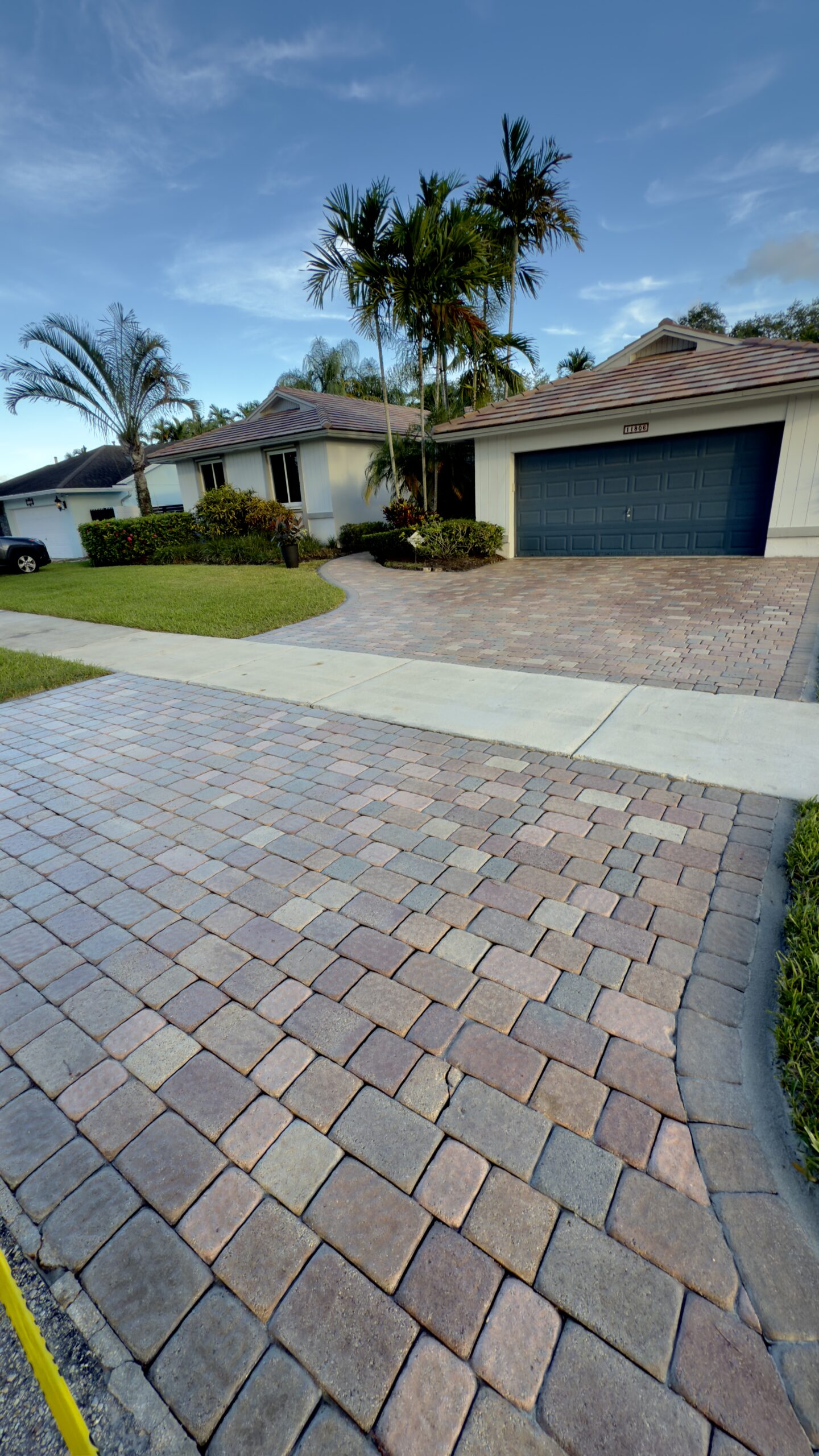
We install driveways, patios, walkways, pool decks, and entryways in a wide range of shapes, colors, and finishes. Whether you want a modern, large‑format look or a classic herringbone driveway, we’ll help you choose materials that fit your taste, budget, and maintenance preferences. Our goal is a finished project that boosts curb appeal and feels solid underfoot every time you pull into the driveway or step onto the patio.
How We Install Pavers, Step by Step
A paver surface is only as good as what’s underneath it. Nearly every sinking, shifting or cracked paver job traces back to a step that got skipped here.
- Excavate and grade. We dig out the area to the proper depth and grade it so water drains away from your home instead of pooling.
- Build and compact the base. Florida’s sandy, limestone-heavy soil needs a real base, not a shortcut. We use crushed limestone or limerock, compacted in layers with a plate compactor, typically 6 to 8 inches for a driveway and a bit less for a patio or walkway.
- Install edge restraints. These hold the entire field of pavers in place from the outside. Skip this step and pavers gradually spread, gap and shift, even with a good base underneath.
- Add the bedding sand. A thin, screeded layer of sand goes on top of the compacted base, giving the pavers a level surface to sit on.
- Lay the pavers. We set them in the pattern you’ve chosen, cutting and fitting borders and edges as we go.
- Compact and sand the joints. Once everything is laid, we compact the surface and sweep sand into the joints to lock the pavers together as one interlocking system.
- Seal, if you’re ready. New pavers don’t have to be sealed immediately, but sealing early protects the color and helps hold the joint sand in place from day one. See our paver sealing service for details.
Choosing the Right Paver for Your Project
- Concrete pavers are the most versatile and budget-friendly option, available in a wide range of colors, shapes and finishes. A solid choice for driveways, patios and walkways.
- Travertine stays noticeably cooler underfoot in direct sun, which is why it’s so popular around Miami pool decks. It’s porous, so it needs its own care. See our travertine sealing page for how we protect it.
- Brick pavers give a classic, timeless look and hold their color well over time.
- Coral stone is a Florida favorite for pool decks and patios, prized for its natural texture and light, reflective color.
If you’re not sure which fits your project, budget and maintenance preferences, we’ll walk you through the options during your estimate.
Paver Patterns and Layouts
The pattern isn’t just a style choice, it affects durability too.
- Herringbone interlocks pavers at an angle, which spreads out weight and resists shifting. It’s the strongest layout for driveways and other high-traffic areas.
- Running bond is a simple, classic offset pattern that suits patios and walkways.
- Basketweave creates a woven look, popular on patios and entryways.
- Ashlar or random patterns mix paver sizes for a more natural, less uniform look, common with travertine and coral stone.
Do You Need a Permit for a Paver Driveway in Miami-Dade?
In most cases, yes. Miami-Dade County requires a Public Works permit for driveway paving, and for pavers specifically, other than plain asphalt or concrete, the county also requires a recorded Construction Covenant. That covenant simply confirms that if the county or a utility ever needs to dig up that section of driveway, the homeowner is responsible for restoring the decorative surface afterward. If your property is governed by an HOA, you’ll typically need their written approval as well before the permit can be issued.
This step trips up a lot of DIY and unlicensed jobs. We can walk you through what your project will need before work starts, so there are no surprises partway through.
Why Proper Base Prep Prevents Sinking and Shifting
Almost every paver complaint we hear, sinking spots, spreading edges, a driveway that looks wavy after a year, comes back to the base. A base that wasn’t compacted in layers, edge restraints that were skipped to save time, or bedding sand laid too thick will all eventually show up as a problem. It’s the least visible part of the job and the easiest to cut corners on, which is exactly why it matters most. We compact every layer properly and use edge restraints on every job, because it’s far cheaper to do it right once than to fix it later.
What Affects the Cost of Paver Installation
Paver installation pricing varies a lot depending on the project, and material choice alone makes a big difference. As a general guide for South Florida, concrete pavers tend to run toward the lower end, brick sits in the middle, and natural stone like travertine or coral stone costs more per square foot. Beyond material, your price depends on:
- Size of the area being paved.
- Removal of an existing surface, such as old concrete or asphalt.
- Base conditions, including drainage and how much excavation is needed.
- Pattern complexity, since herringbone and cut borders take more time than a simple layout.
- Permit and covenant costs, which are separate from the installation itself.
We price every job after seeing the space in person. Request a free estimate and we’ll give you a clear number and timeline before anything starts.
How long does a typical paver installation take?
For most residential driveways, patios, or walkways, installation takes a few days once work begins, depending on size, access, and weather. Larger driveways and pool decks can take about a week from start to finish, including demolition, base prep, laying pavers, and final cleanup.
Are pavers better than poured concrete?
Both options are durable, but pavers usually offer better long‑term performance and flexibility. They are more resistant to cracking because each piece can move slightly with the ground, and any damaged paver can be replaced individually instead of cutting and patching a slab. Pavers also come in many more colors and patterns, which can boost curb appeal and home value.
What kind of maintenance do paver surfaces need?
Most paver surfaces just need periodic cleaning and occasional re‑sanding of the joints to keep everything tight and help block weeds. Sealing the surface can enhance color, protect against stains, and make it easier to wash off dirt and tire marks. Compared with repairing cracked concrete, ongoing maintenance on pavers is usually simpler and more cost‑effective.
Can you install pavers over my existing concrete?
In some cases, pavers can be installed over a sound concrete slab using the right preparation and edge details. However, if the existing concrete is badly cracked, uneven, or holds water, removing it and rebuilding the base is usually the better long‑term solution. We’ll evaluate your surface during the estimate and recommend the most reliable option.
Do I need a permit to install pavers in Miami-Dade?
In most cases, yes. Miami-Dade requires a Public Works permit for driveway paving, and pavers specifically require a recorded Construction Covenant. If an HOA governs your property, you’ll typically need their approval too. We’ll walk you through what your project needs before work starts.
How deep should the base be for a paver driveway in Florida?
Most Florida driveways need 6 to 8 inches of compacted crushed limestone or limerock base, compacted in layers rather than all at once. Patios and walkways can use a slightly thinner base. Skipping proper compaction is the most common cause of sinking pavers.
Why do some paver driveways sink or shift over time?
Almost always it comes back to the base: not enough compaction, base laid in one thick layer instead of compacted lifts, or edge restraints left out to save time. We compact every layer and install edge restraints on every job.
Should new pavers be sealed right away?
You don’t have to seal immediately, but sealing early protects the color from day one and helps hold the joint sand in place. Ask us about timing when we install your pavers, or see our paver sealing service.
What's the difference between concrete, travertine and coral stone pavers?
Concrete is the most budget-friendly and comes in the widest range of colors and finishes. Travertine stays cooler underfoot and is popular on pool decks, but needs its own sealing approach. Coral stone is a Florida favorite for its natural texture and light color, also common around pools.
- Testimonials
Our Clients Testimonials
South Florida homeowners trust us to clean, sand, and seal their pavers the right way the first time, here’s what they’re saying after seeing their driveways, patios, and pool decks transformed.
- Areas We Serve
Proudly Serving Homeowners Across South Florida
Broward County, Miami-Dade County, & Monroe County