
Tell us about your project and we’ll follow up with a clear, no‑pressure quote and timeline.
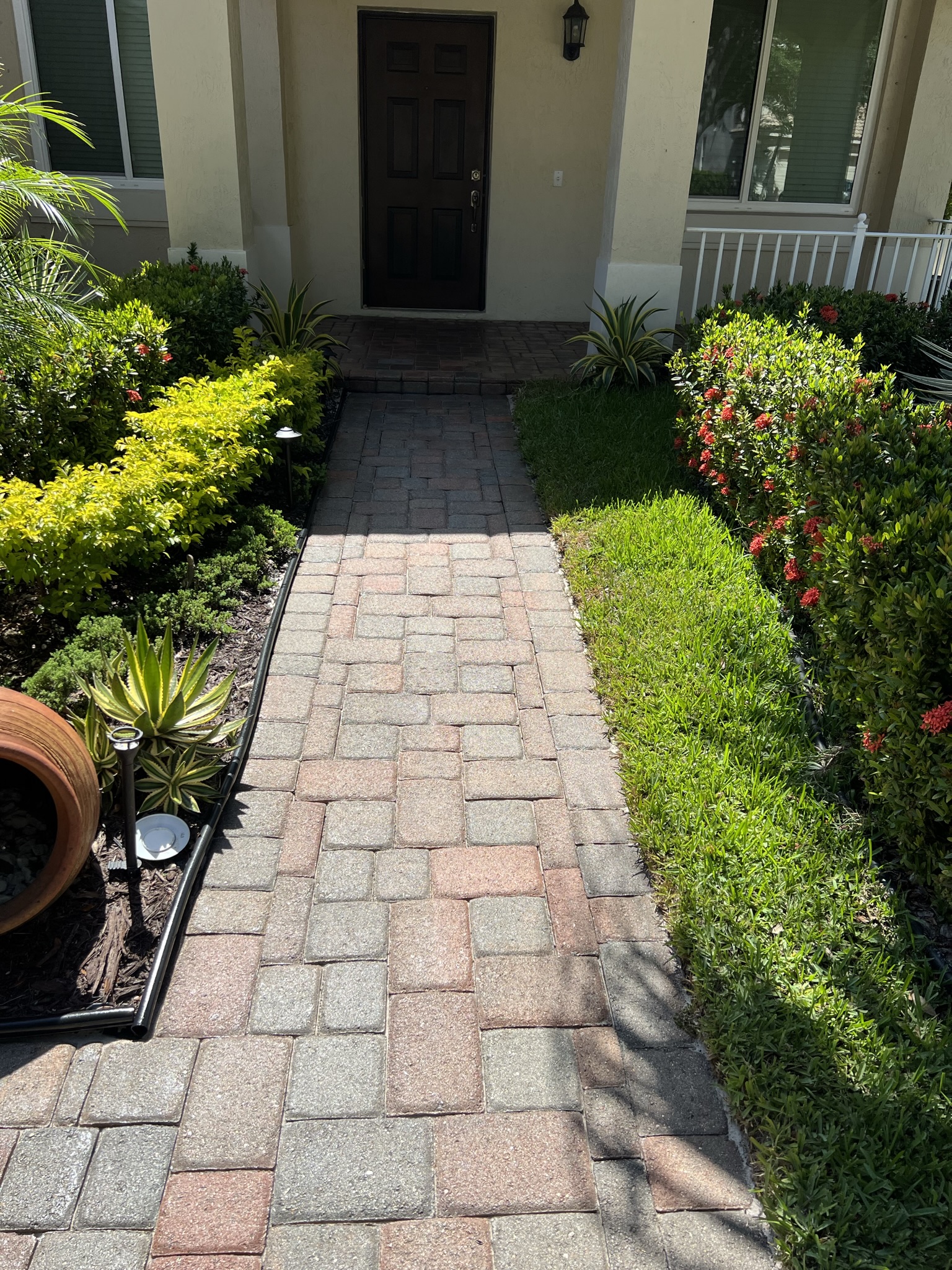
When your front walkway turns dark, slimy, and stained, it’s more than just an eyesore; it can be genuinely slippery and unsafe for your family and guests. Every time you walk to the front door, you’re reminded of the black film, the green algae, and those ugly patches that never seem to rinse off.
A lot of homeowners think that means the pavers are “shot” and need to be ripped out, but in most cases the surface is just dirty and unprotected, not ruined. With a proper paver walkway cleaning and sealing service, you can bring that same walkway back to life so it looks brighter, feels safer underfoot, and is much easier to keep clean going forward.
If your walkway is shaded or stays damp after rain, it becomes the perfect place for algae and mildew to grow on top of the pavers and down in the joints. That’s what leads to the green or black film and the “ice rink” feeling when you step on it.
Pavers are also slightly porous, so they soak up dirty water, leaf tannins, and everyday spills from shoes, pets, and plants. Over time, that creates patchy stains, white mineral spots (efflorescence), and a dull, tired look even though the pavers themselves are still structurally sound. A simple breakdown of how this happens is shown in Earth, Turf & Wood’s guide on best practices for cleaning and sealing paver patios, walkways, and driveways.
When joint sand washes out, weeds and ants move in and start breaking up the clean lines between each stone. Sealing helps stabilize that sand, sheds water, and slows down moss and algae regrowth, which is why so many Florida homeowners are encouraged to seal their pavers as part of routine maintenance.
Quick Tip: A dark, slimy paver walkway usually doesn’t need to be ripped out and replaced. In most cases, a deep clean, fresh joint sand, and the right sealer are enough to bring back the color and make it much safer to walk on.
When we restore a paver walkway like yours, we follow a simple process so you get results that last, not just a quick rinse that looks good for a week. You can see this approach in action in our real‑world jobs in the paver sealing projects gallery.
First, we inspect the walkway with you and point out the worst algae, stains, and any low spots or missing joint sand, then we protect nearby plants and walls before we start washing. Next, we use professional surface cleaners (not just a wand) to evenly wash the pavers and flush the joints, followed by targeted treatments for stubborn algae and stains as recommended in this guide on best practices for cleaning and sealing paver walkways.
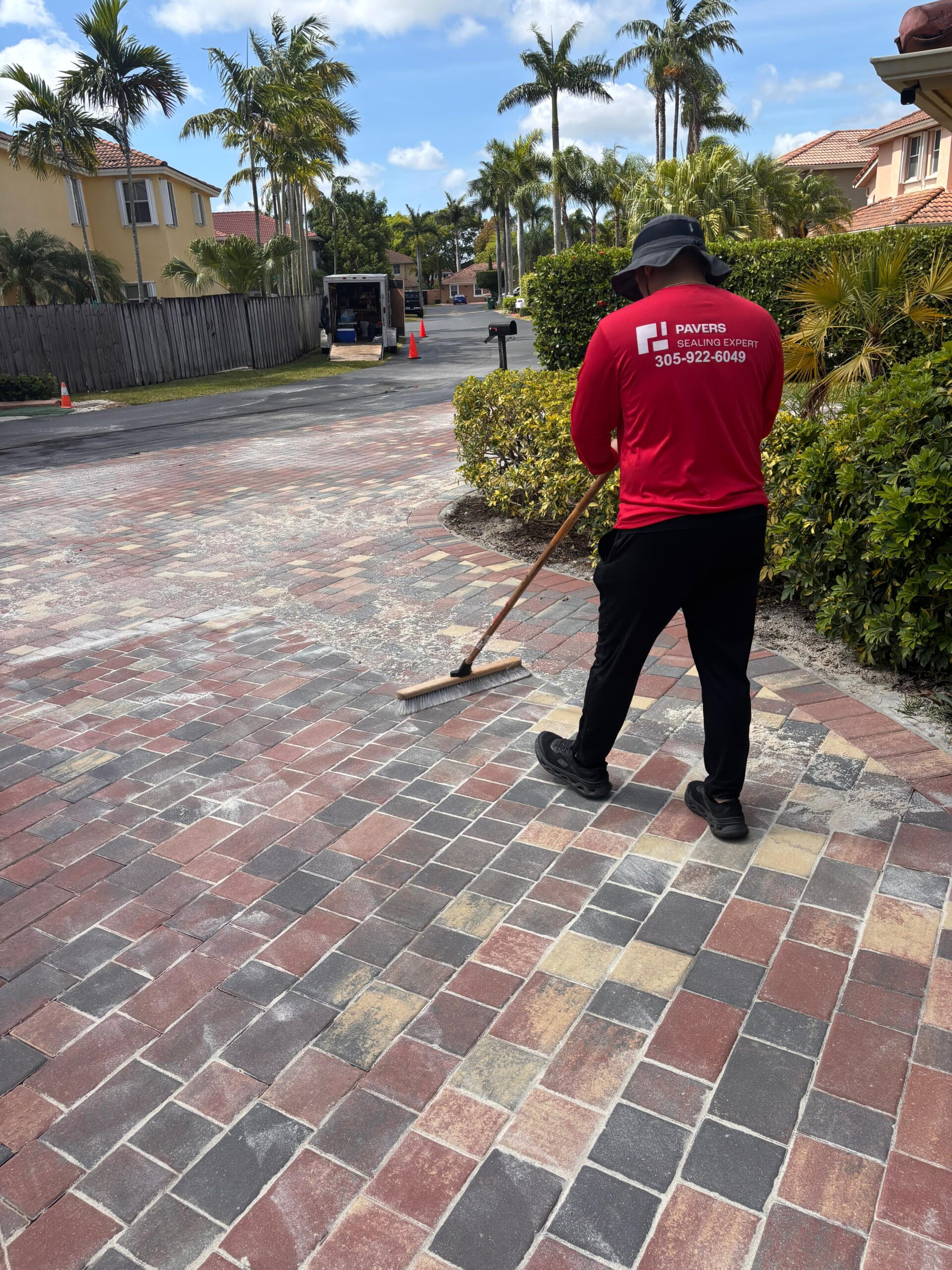
Once the surface is clean and dry, we sweep new sand into the joints to lock the pavers in place and then apply a quality sealer in a controlled, even coat so it soaks into the surface and joints, just like manufacturers and industry pros suggest in their hardscape sealing guidelines.
Quick Tip: The tools matter just as much as the sealer. A professional surface cleaner and the right nozzles clean your pavers evenly and safely, while a DIY pressure‑washer wand can leave stripes or even damage the surface.
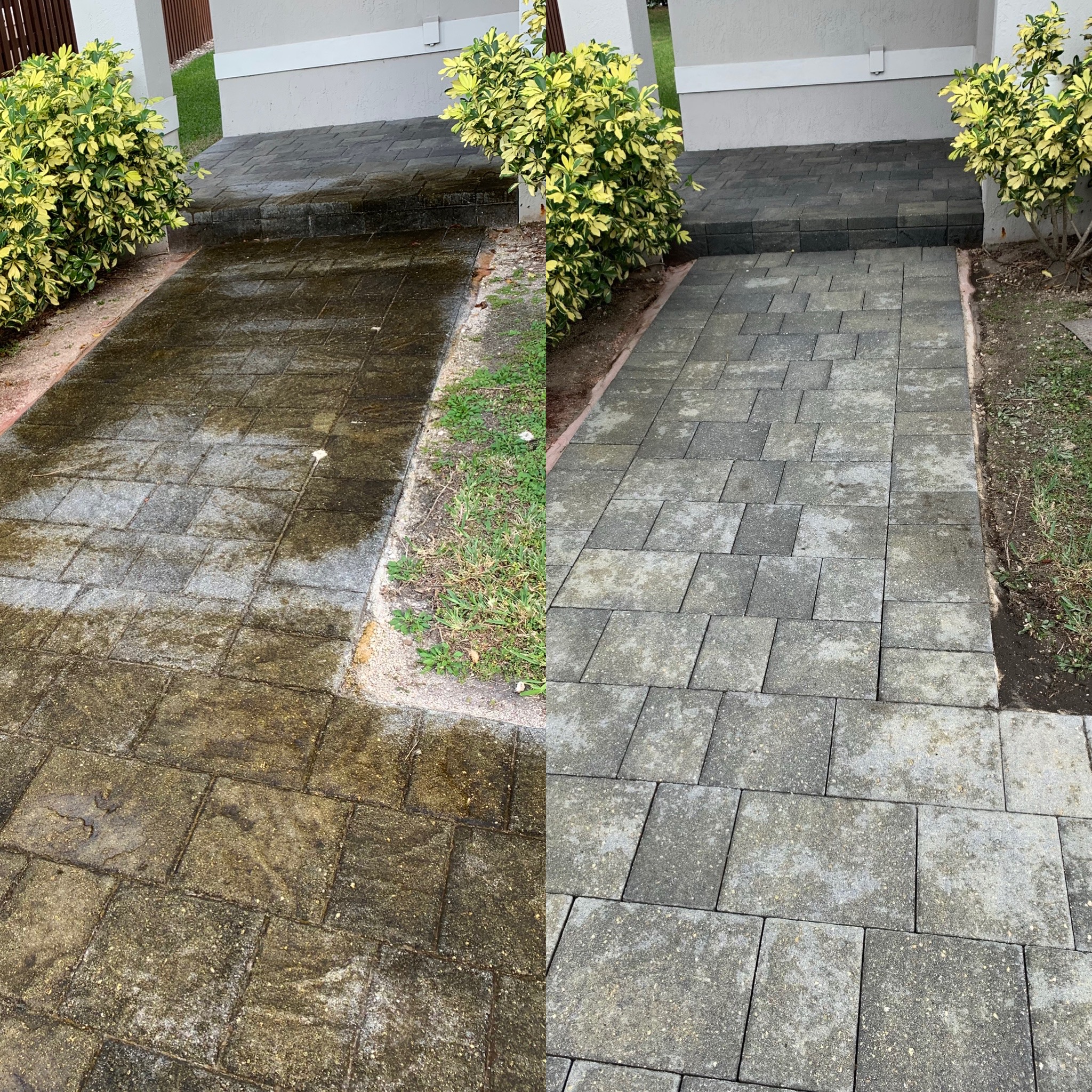
That “before” side of the walkway photo, with the dark, slick film and blotchy stains, is exactly what we see on a lot of front entries in humid areas. After a proper cleaning, re‑sanding, and sealing, those same pavers usually jump back a couple of “years” in appearance: the color looks more even, the surface feels less slippery, and the whole entry instantly has more curb appeal.
In many cases, homeowners are surprised they don’t need brand‑new pavers at all; the hardscape they already have just needed the right prep and protection. You can see the same kind of transformation on driveways, pool decks, and patios in our paver sealing project gallery, where faded, stained hardscapes end up looking brighter, cleaner, and better defined around the joints.
With good prep and a quality product, most sealed paver walkways stay protected for about two to three years before they need a maintenance coat, which lines up with what industry guides on best practices for cleaning and sealing paver walkways recommend. Sun, shade, sprinkler overspray, and foot traffic can all speed that timeline up or slow it down, which is why two homes on the same street can have slightly different schedules.
You can stretch the life of your sealer and keep your walkway looking fresh by blowing or sweeping leaves regularly, rinsing off fertilizer or rust as soon as you notice it, and paying extra attention to the shady, always‑damp spots where algae tries to come back first. If you want a few easy habits that work for both patios and walkways, this list of simple paver maintenance tips for a patio that lasts is a good starting point you can adapt to your own hardscape.
Quick Tip: An easy way to tell if it’s time to reseal is to sprinkle a little water on a dry spot. If it soaks in right away instead of beading on top, your sealer is wearing off and your walkway is ready for a maintenance coat.
You can absolutely rinse and lightly scrub your pavers yourself, but once you’re dealing with thick algae, deep stains, or white haze from an old sealer, it’s usually safer (and cheaper in the long run) to bring in a professional. Even detailed guides on how to properly clean and seal pavers warn that too much pressure or the wrong chemicals can scar the surface or trap moisture under the sealer.
A paver‑sealing specialist brings commercial‑grade cleaning equipment, professional cleaners, and sealers matched to your specific pavers and Florida’s climate, so you get a safer surface and results that last instead of a streaky, short‑term fix. If you’re looking at your own walkway and seeing that “before” look every time you walk to the front door, you can quickly explore our full range of paver sealing services and then request a free estimate right from our contact page. Just send a couple of photos, and we’ll tell you exactly what your walkway needs.
Quick Tip: Not sure how bad your walkway really is? Take two or three photos from different angles and upload them with your estimate request, our team can usually tell you whether you need a simple cleaning or a full clean‑and‑seal just from those pictures.
Ready to turn your own “before” walkway into an “after”?
Most sealed paver walkways in Florida stay protected for about 2–3 years before they need a maintenance coat, assuming good prep and regular light cleaning. Heavy sun, constant moisture, and lots of foot traffic can shorten that window a bit, while shaded, low‑traffic areas sometimes go a little longer.
When the right penetrating sealer is used and applied correctly, sealing should not make your walkway feel like a sheet of glass. Professional sealers designed for driveways, walkways, and pool decks protect the surface while still letting the natural texture of the paver provide grip underfoot.
Yes, part of a proper clean‑and‑seal is removing organic growth, cleaning out the joints, and adding fresh joint sand so the pavers are stable before any sealer goes down. Skipping this step can leave hollow joints, more weed growth, and a walkway that still feels uneven even after it’s sealed.
Most average‑size walkways are cleaned, re‑sanded, and sealed in a single visit, with light foot traffic allowed again after a few hours and full cure within 24–48 hours. Larger areas or heavily stained surfaces can take longer, especially if extra stain treatments or repairs are needed before sealing.
In many cases, a failed or cloudy sealer can be stripped off, the surface re‑cleaned and repaired, and then sealed properly with a breathable, professional‑grade product. This type of paver restoration is common in Florida, where cheaper products or over‑application can leave white haze or peeling that needs to be corrected.
Short, practical articles to help you keep your driveway, patio, and pool deck looking freshly sealed between professional visits.
South Florida homeowners trust us to clean, sand, and seal their pavers the right way the first time, here’s what they’re saying after seeing their driveways, patios, and pool decks transformed.
Broward County, Miami-Dade County, & Monroe County