
Tell us about your project and we’ll follow up with a clear, no‑pressure quote and timeline.
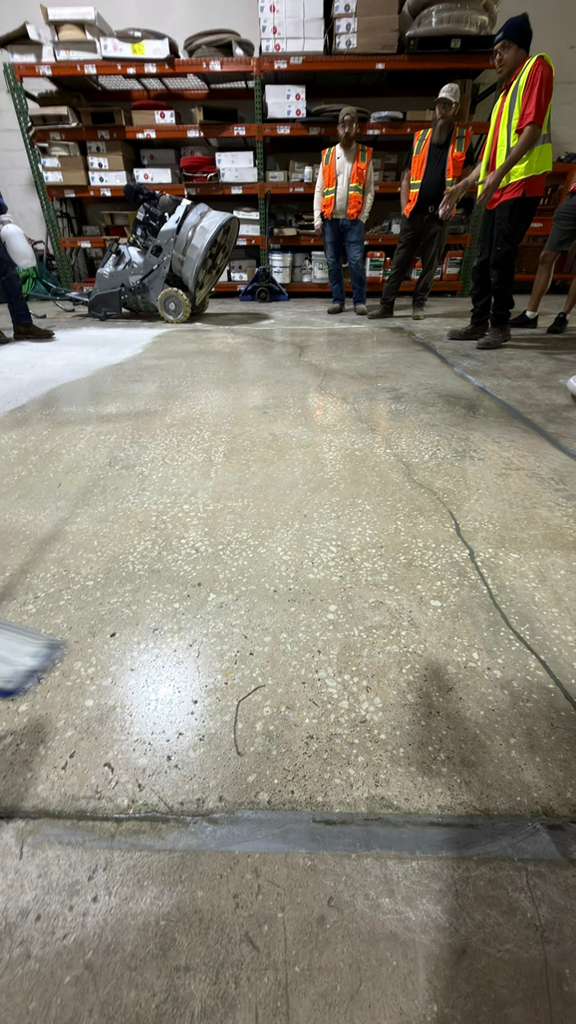
You’ve got a concrete floor that needs attention, maybe it’s a garage, a warehouse, a patio, or an interior space, and now you’re stuck trying to figure out whether polished concrete or epoxy is the right call. Both look great in photos. Both are durable. But they’re very different in how they perform, what they cost, and how long they last.
Let’s sit down and walk through it so you can make the right choice for your space.
Polished concrete isn’t a coating, it’s the actual concrete surface, ground down and refined using diamond-tipped grinding machines until it’s smooth, dense, and reflective. Think of it like sanding wood: you’re removing the rough top layer and revealing a beautiful, hard surface underneath.
The result is a floor that looks clean and modern, requires almost no maintenance, and can last well over a decade before needing any attention. It’s the same process you see in high-end retail stores, modern homes, and large commercial warehouses.
Epoxy is a coating, a mixture of resin and hardener that gets applied on top of your concrete and cures into a hard, glossy shell. It essentially seals and protects the concrete beneath it, similar to how we seal and protect outdoor pavers to lock out moisture, stains, and wear.
Epoxy is highly customizable: you can add color, metallic effects, decorative flakes, or keep it a solid gloss. It’s especially popular in garages, commercial kitchens, and industrial facilities where chemical spills and heavy machinery are part of daily life.
| Factor | Polished Concrete | Epoxy |
|---|---|---|
| Cost per sq ft (South Florida) | $6-$14 | $7-$15 |
| Durability | 10+ years with minimal care | 3-5 years before refinishing |
| Maintenance | Dust mop and occasional re-polish | Regular cleaning, avoid harsh chemicals |
| Appearance | Natural, matte to high-gloss | Glossy, highly customizable colors/flakes |
| Slip resistance | Can be slippery when wet | Can be textured for grip |
| Chemical resistance | Moderate | Excellent, best for oil/chemical exposure |
| Best for | Homes, offices, retail, warehouses | Garages, industrial spaces, kitchens |
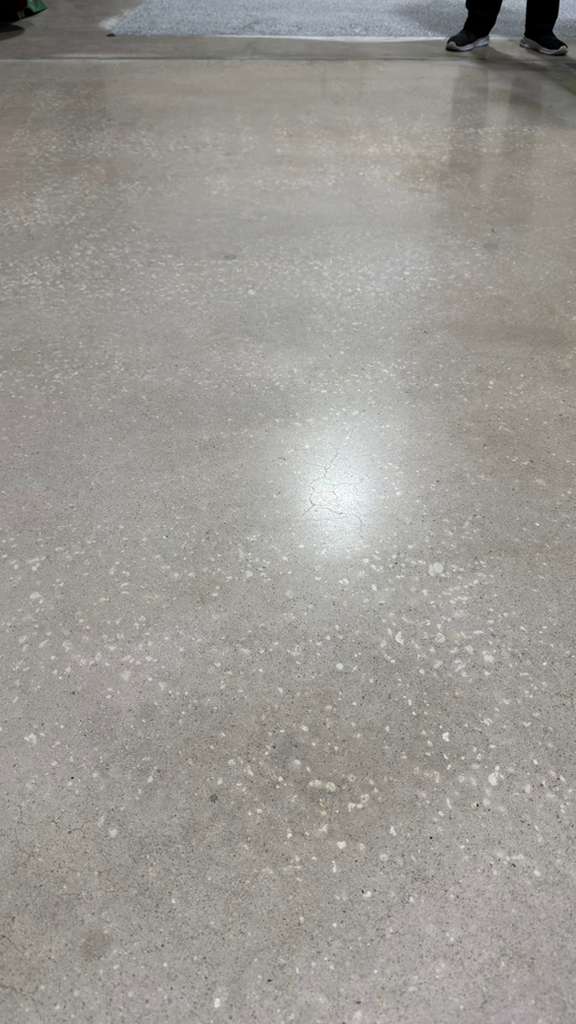
Choose polished concrete if you want a low-maintenance, long-lasting floor that looks sophisticated without a coating that can chip or peel. It’s ideal for open living spaces, commercial showrooms, and warehouse floors, exactly like the job shown in the photo above.
Choose epoxy if your floor takes a serious beating from chemicals, heavy equipment, or vehicles. A garage that sees oil drips and tire marks, or a commercial kitchen with daily chemical cleaning, will benefit more from epoxy’s tough, sealed surface.
And if you’re not sure which one your floor actually needs? That’s where a professional eye makes all the difference. Just like we assess your pavers before recommending a cleaning, sanding, or sealing approach, the right concrete floor solution starts with understanding how your space is actually used.
Whether you go with polished concrete or epoxy, the prep work is everything. A floor that isn’t properly cleaned, ground, and prepared before the process begins will fail, no matter how good the product is. We’ve seen epoxy peel within a year because the surface wasn’t ready. We’ve seen polished concrete turn dull because the grinding wasn’t done right.
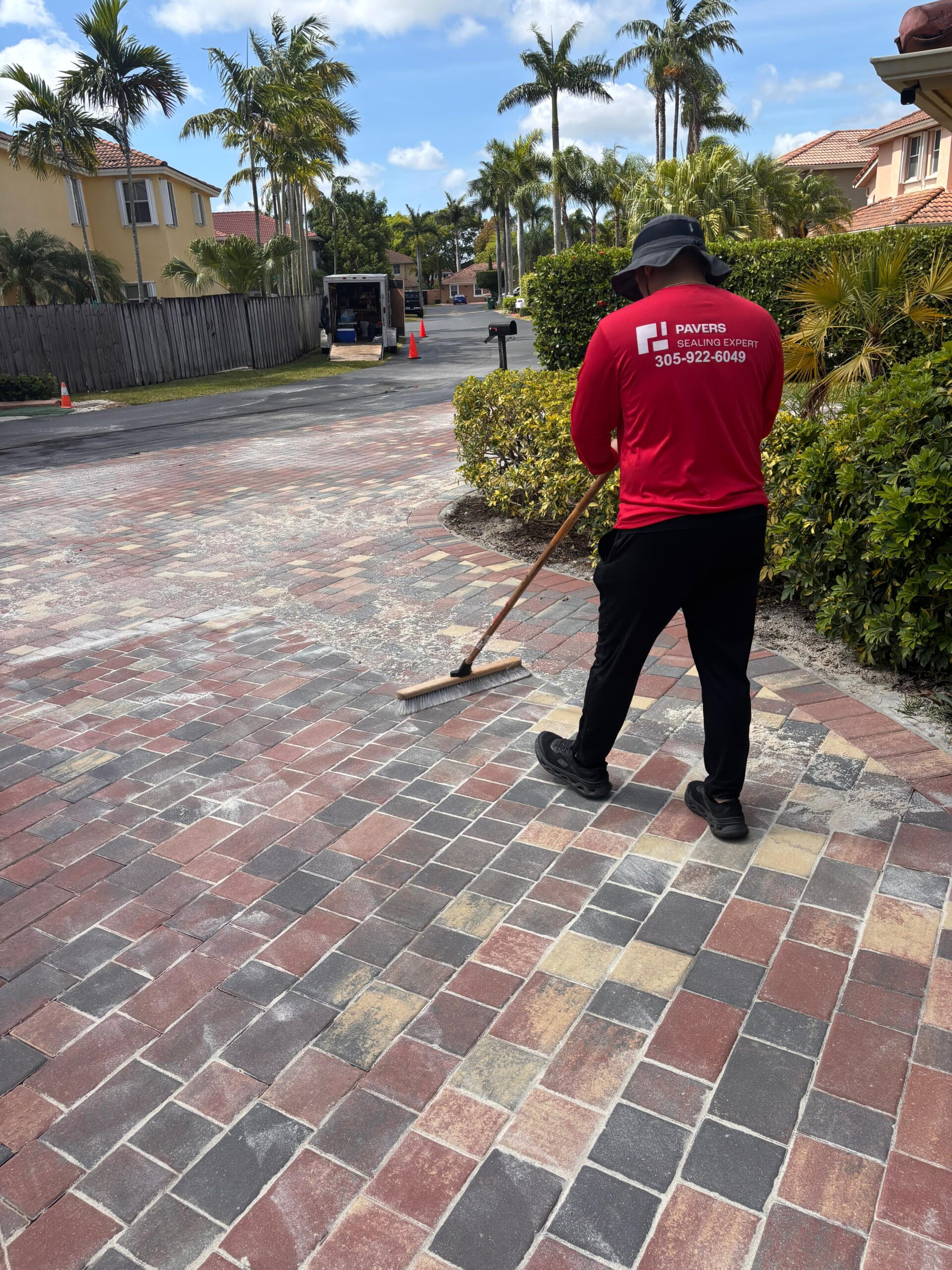
That attention to prep is the same reason we broom joint sand into every paver surface before sealing, the finish is only as good as what’s underneath it.
Send us a few photos and we’ll give you an honest opinion, no pressure, no sales pitch. Just a straight answer from a team that works with concrete and pavers every day across South Florida. Request your free estimate here, and let’s get your floor looking the way it should.
Cost alone would point most homeowners toward polished concrete, but garages are a specific exception worth understanding. A garage floor deals with oil drips, gasoline, hot tire marks, road salt tracked in from a car, and the physical impact of dropped tools, conditions polished concrete wasn’t engineered to resist as well as a proper epoxy or polyaspartic coating. This is why even though polished concrete is often the cheaper, longer-lasting option in general, professional flooring guides consistently point toward epoxy or polyaspartic systems specifically for garages, the chemical and impact exposure there is simply a different category than a living room or retail showroom floor.
Polished concrete on an existing slab is typically walkable within a day and ready for full use within a few days, since you’re grinding and refining material that’s already fully cured. Epoxy is different: most systems need 24 hours before light foot traffic, 3 to 5 days before vehicles, and up to a week or more for the coating to reach full chemical cure and hardness. If you only have a single-car garage and no alternative parking, that difference in downtime is worth planning around before you schedule either project.
Generally, yes, polished concrete tends to have a lower upfront cost and lasts longer before needing any refinishing. Epoxy costs more to install and typically needs to be redone every 3–5 years, which adds up over time.
Not without proper prep. The concrete needs to be clean, dry, and free of cracks or existing coatings. Skipping that step is the number one reason epoxy peels prematurely, sometimes within just a year of installation.
Polished concrete wins here. A dust mop and occasional re-polish is all it needs. Epoxy requires more careful cleaning and doesn’t hold up well to harsh chemicals or heavy scrubbing over time.
It can be when wet, especially at higher gloss levels. A non-slip additive or surface treatment can be applied during the polishing process to improve traction, something we always discuss based on how the space is used.
A properly polished concrete floor can last 10+ years with minimal upkeep. Epoxy, depending on traffic and conditions, typically needs refinishing every 3–5 years. In high-use spaces like warehouses or garages, that difference in lifespan really matters.
Short, practical articles to help you keep your driveway, patio, and pool deck looking freshly sealed between professional visits.
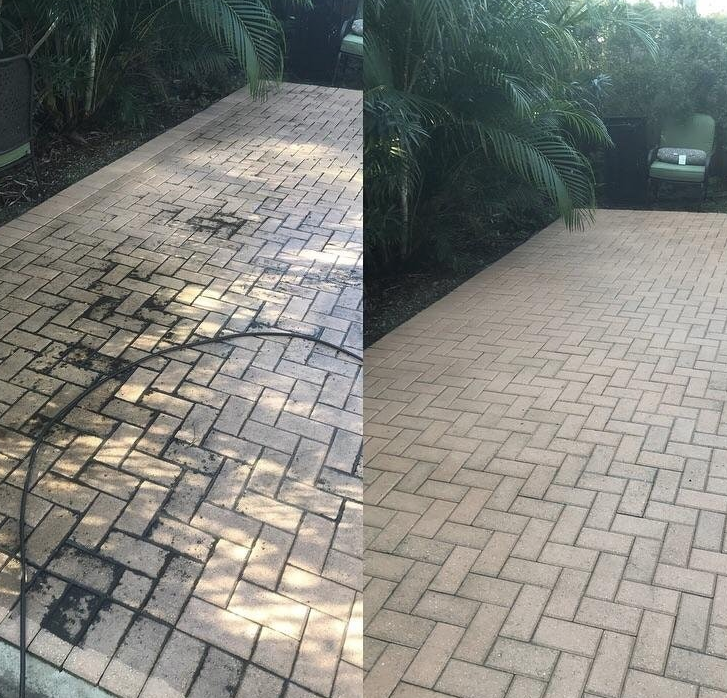
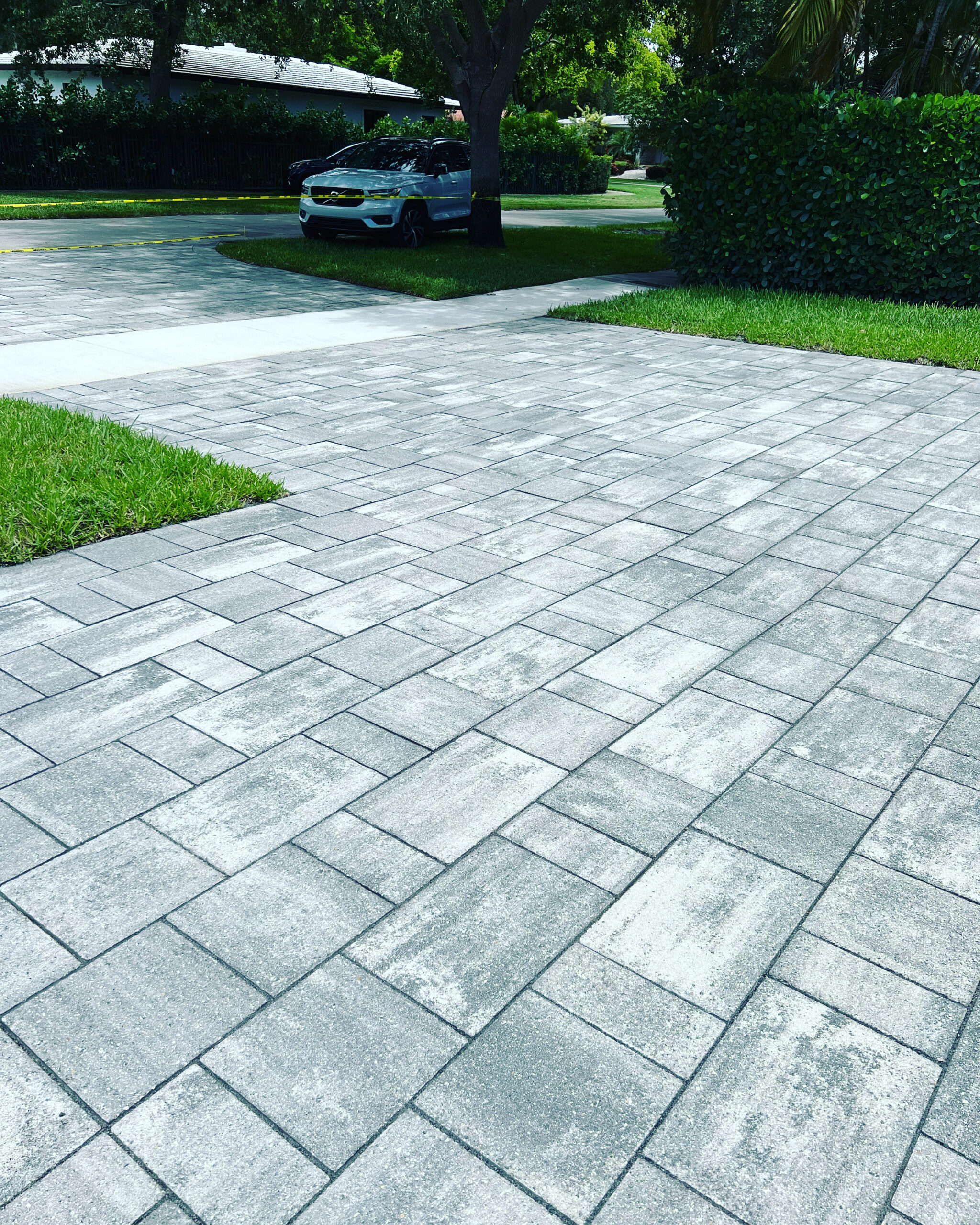
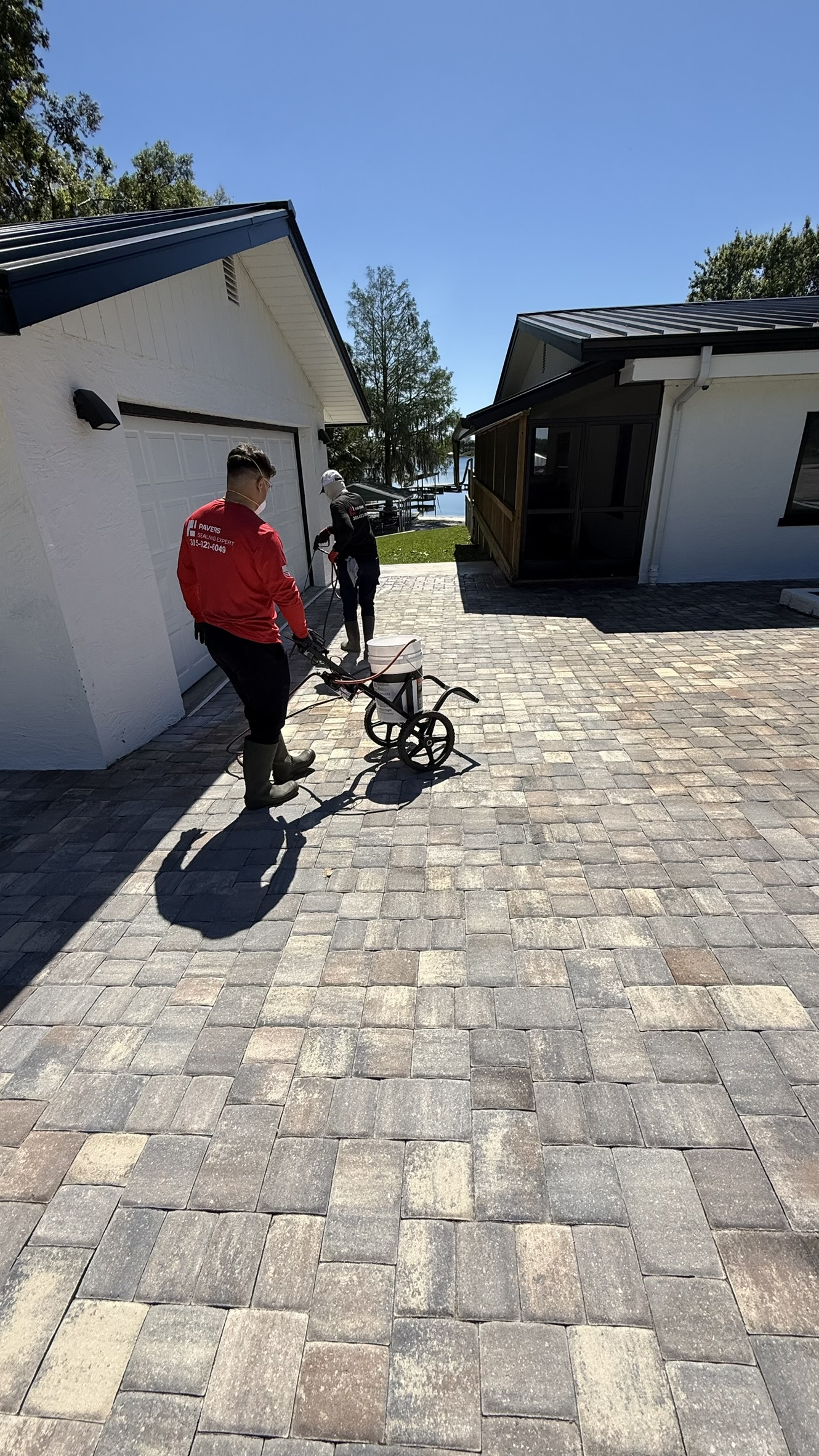
South Florida homeowners trust us to clean, sand, and seal their pavers the right way the first time, here’s what they’re saying after seeing their driveways, patios, and pool decks transformed.
Broward County, Miami-Dade County, & Monroe County