
- Home
- Paver Sealing
Paver Sealing
Upgrade your driveway, patio, or pool deck with professional paver sealing that protects and enhances your surfaces for Florida’s climate, keeping them richer in color and easier to maintain.
Our Services
Get in touch
Tell us about your project and we’ll follow up with a clear, no‑pressure quote and timeline.
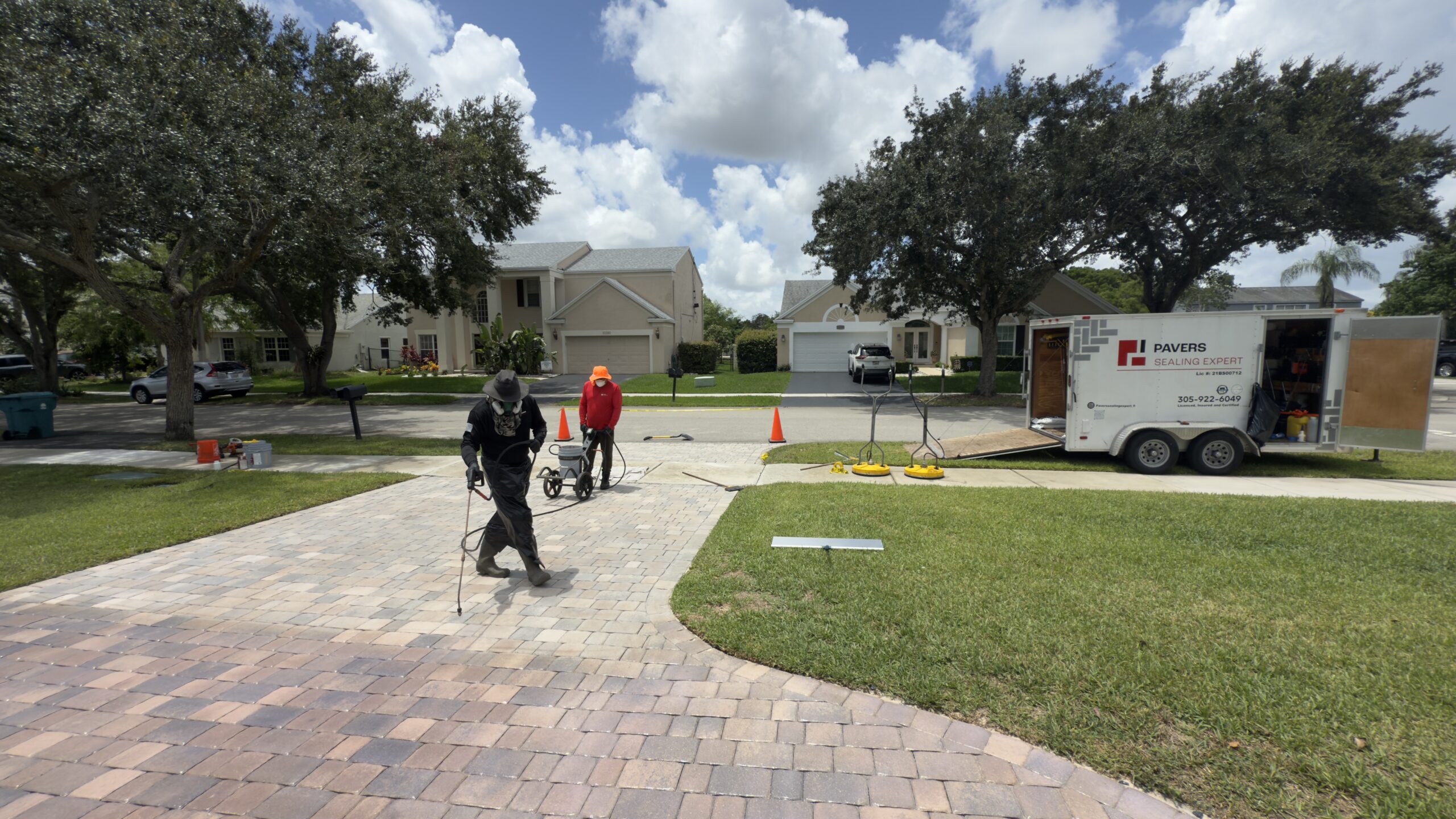
Paver Sealing Done The Right Way
Paver sealing is more than just rolling on a clear coat – it is a detailed process that protects your investment from Florida’s harsh sun, heavy rain, and constant humidity. We start by carefully cleaning your driveway, patio, or pool deck to remove dirt, mildew, and old sealer so the new coating can bond properly.
Once the surface is dry, we re‑sand the joints to help lock the pavers together and reduce weed growth and joint wash‑out. Then we apply a premium, breathable sealer that penetrates the paver, creating a protective barrier against water, UV rays, and stains from oil, food, and leaf tannins. The finished result is a richer color, a clean satin or natural finish, and a surface that is much easier to keep looking like new.
We seal driveways, patios, walkways, and pool decks on both new and existing pavers, including natural stone surfaces like travertine, which requires its own cleaning and sealing process to perform well in South Florida’s climate. Whether you want to bring faded brick pavers back to life or protect a brand‑new installation from day one, we tailor the products and finish to match how you use your space. Our goal is to give you a durable, beautiful surface that you are proud to show off every time you pull into the driveway or step out into the backyard.
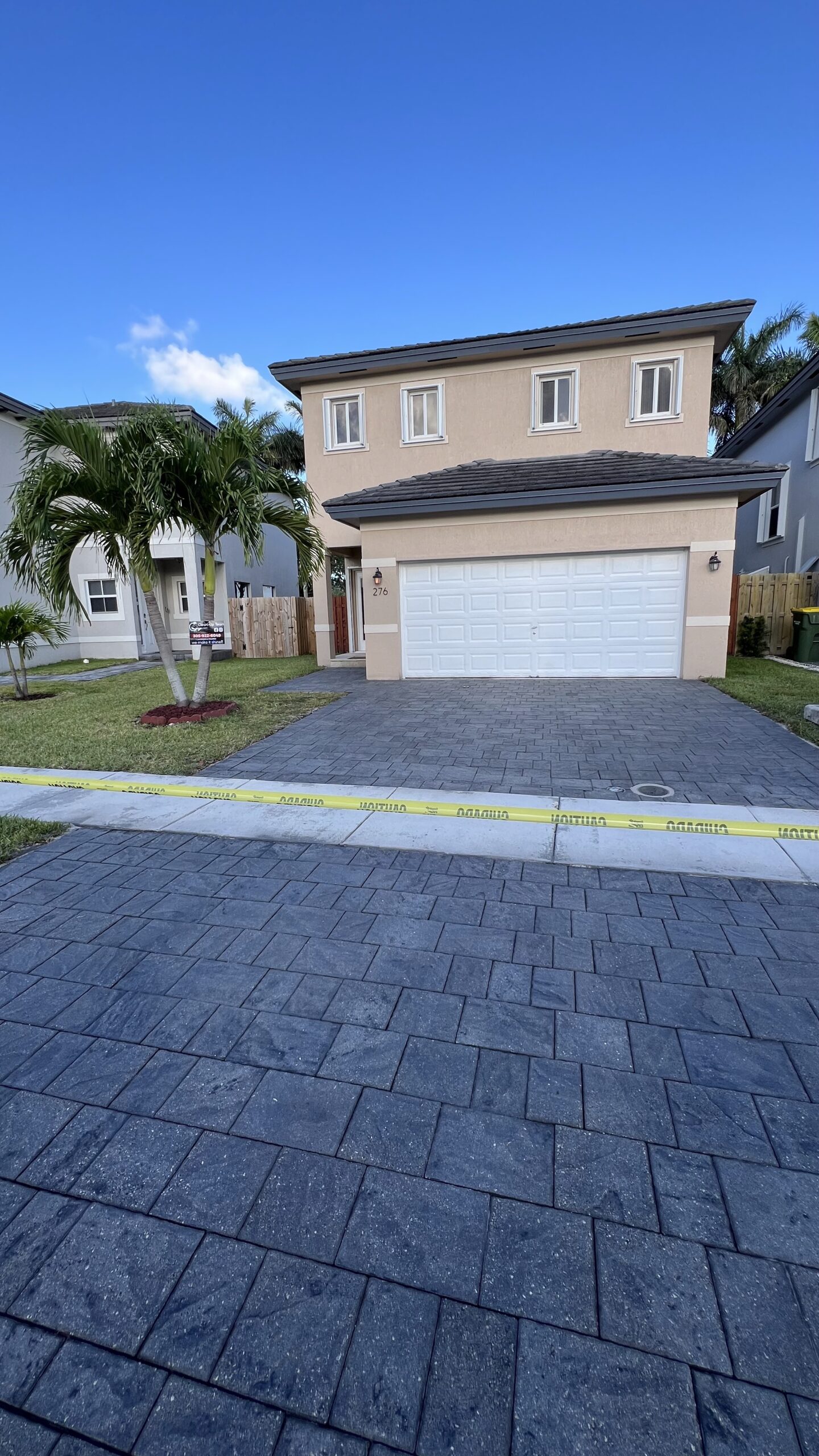
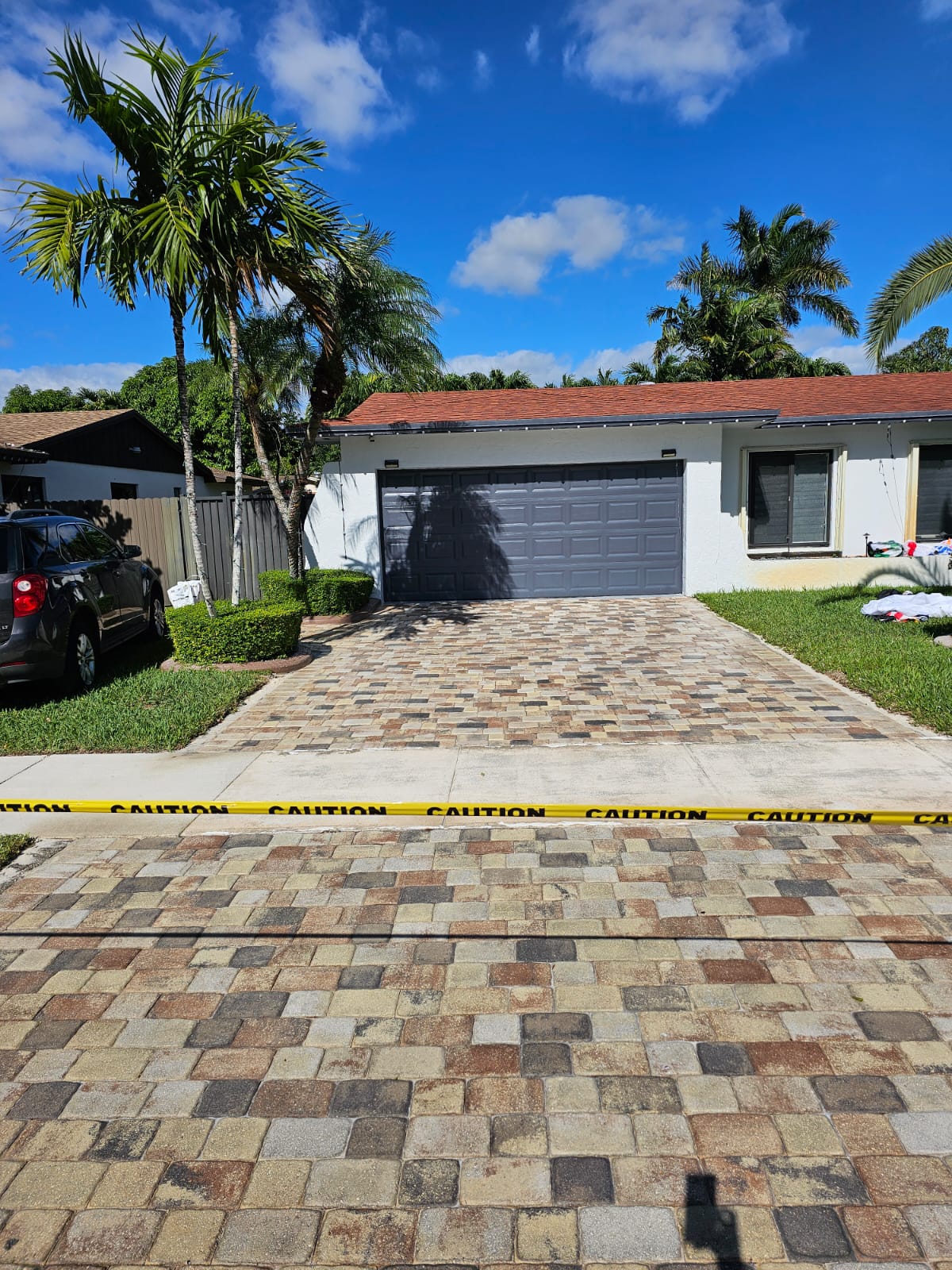
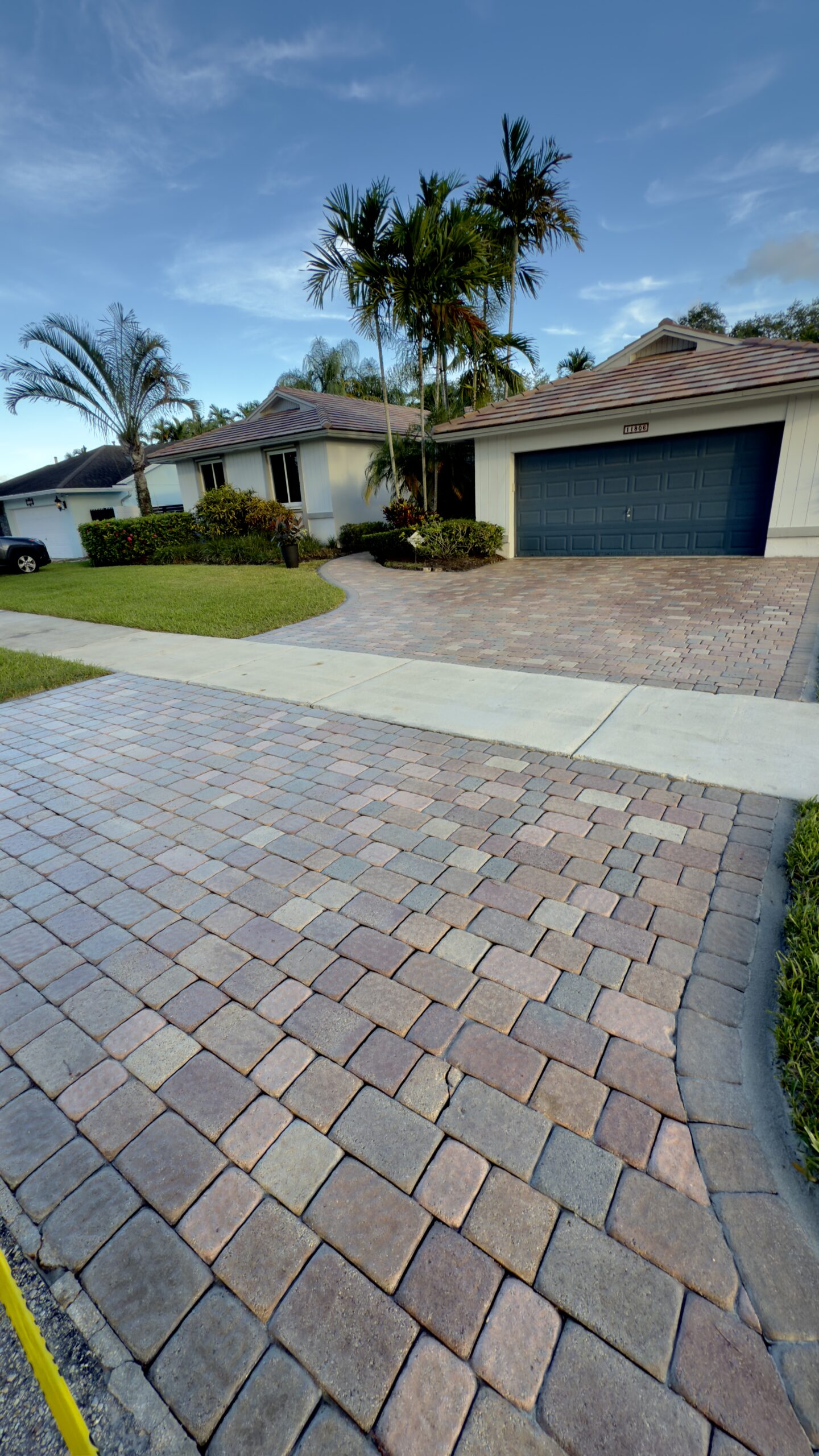
Why Seal Your Pavers?
Longer‑lasting pavers: Sealing shields against water intrusion, surface erosion, and damage from UV exposure so your pavers last longer before needing repairs or replacement.
Richer color and curb appeal: A quality sealer enhances the natural tones of your pavers and helps prevent fading and dull, chalky surfaces.
Easier cleaning and maintenance: Sealed pavers resist oil, food spills, dirt, and algae, making routine cleaning faster and reducing the need for harsh chemicals.
Added protection for joints: Re‑sanding and sealing help keep joint sand in place, reduce weed growth, and minimize shifting and settling.
How We Seal Your Pavers, Step by Step
Every job follows the same process, whether it’s a small walkway or a full driveway and pool deck.
- Deep clean. We pressure wash and, where needed, hand-treat the surface to remove dirt, algae, oil and any old, failing sealer so the new coat bonds to the paver instead of the grime.
- Repair and re-sand the joints. Loose or missing joint sand gets replaced and stabilized. This is also when we fix minor settling or swap out a damaged paver.
- Let it dry completely. Surface-dry is not the same as dry all the way through. In our humidity, this can take a day or two. Sealing over trapped moisture is the most common cause of a cloudy, failed job, so we don’t rush this step.
- Apply the sealer. We use a breathable, professional-grade sealer applied in thin, even coats, working it into the joints as well as the surface.
- Cure and walkthrough. We let the sealer cure and walk the finished surface with you, so you know when it’s safe for foot and vehicle traffic.
Choosing the Right Sealer for Your Surface
Not every paver needs the same sealer, and using the wrong one is how driveways end up hazy or pool decks end up slippery.
- Concrete and brick pavers (driveways, patios, walkways) generally do best with a breathable, water-based film-forming sealer in a satin or natural finish. It protects against stains and UV while locking in joint sand.
- Travertine and other natural stone is porous and behaves differently. We typically use a penetrating sealer that protects from within without changing the surface texture. See our dedicated travertine sealing page for more detail.
For a longer breakdown of sealer types, finishes and what holds up best in Florida’s climate, read our guide on the best paver sealer for Florida.
Signs Your Pavers Need Sealing
- Water soaks in and darkens the paver instead of beading on the surface.
- The color looks faded, dull or chalky compared to when it was new.
- Joint sand is washing out, and weeds or ant hills keep coming back.
- Oil, food or leaf stains are starting to soak in instead of wiping off.
- It’s been more than two to three years since the last sealing.
If you’re not sure which of these applies, we’re happy to take a look and tell you honestly whether your pavers need sealing now or can wait.
Paver Sealing for Pool Decks
Pool decks need a different touch than a driveway. A glossy, high-shine sealer can look great on a garage floor and be genuinely unsafe next to a pool. On pool decks and other wet areas, we use a natural or matte finish, and for travertine we lean on a penetrating sealer that keeps the stone’s natural, non-slip texture intact. The goal is a deck that looks refreshed and stays safe to walk on with wet feet.
How Long Does Paver Sealing Last in South Florida?
Most homeowners here reseal every two to three years. Surfaces in full sun or right next to a pool tend to need it closer to the eighteen-to-twenty-four-month mark, while shaded patios can stretch a little longer. The real answer depends on sun exposure, foot and vehicle traffic, and the sealer used. We can look at your surface and tell you what schedule actually makes sense, instead of pushing you to reseal before you need to.
What Affects the Cost of Paver Sealing
Every property is a little different, so we price after seeing the job rather than guessing over the phone. The main factors are:
- Size of the area being sealed.
- Current condition — heavy algae, oil stains or a failing old sealer mean more prep work.
- Joint work needed, such as re-sanding or stabilizing loose joints.
- Sealer type, since penetrating sealers for natural stone are priced differently than film-forming sealers for concrete or brick.
The most accurate way to know your price is a quick look at the surface. Request a free estimate and we’ll give you a clear number before any work starts.
How often should I reseal my pavers?
Most Florida homeowners reseal every 2–3 years, depending on traffic, sun exposure, and the type of sealer used. We can inspect your surface and recommend a schedule that keeps your pavers protected without over‑sealing.
Will sealing make my pavers slippery?
We use sealers and application methods designed for driveways, walkways, and pool decks, and we can add non‑slip additives where needed. This allows you to enjoy a richer finish while maintaining safe traction when surfaces are wet.
Can you seal my old, faded pavers?
Yes, older pavers can usually be restored with deep cleaning, joint repair, and the right sealer, often with a dramatic difference in color and overall appearance. If there are areas that are damaged or sinking, we can discuss repair options before sealing so the surface looks even and performs well.
Is professional sealing better than DIY products?
Professional‑grade sealers and equipment provide stronger protection, more even coverage, and better longevity than most hardware‑store products. You also avoid common DIY issues like cloudiness, streaks, peeling, or trapped moisture that can be expensive to fix later.
What does paver sealing cost?
Cost depends on the size of the area, the condition of the pavers, and how much joint work is needed. We price it after a quick look at the surface so the number is accurate, not a guess. Request a free estimate and we’ll give you a clear price up front.
Will I be able to use my driveway or patio right after sealing?
You’ll need to stay off the surface for a short window while it cures. Foot traffic is usually fine within a few hours, and we’ll tell you exactly when it’s safe for vehicles before we leave.
Can you seal pavers right after pressure washing?
Only once they’re completely dry, which can take a day or two depending on humidity and sun exposure. Sealing over trapped moisture is the main cause of a cloudy or hazy finish, so we always confirm the surface is dry first.
Will sealing make my pool deck slippery?
Not with the right product. We use a natural or matte finish, or a penetrating sealer on travertine, so pool decks stay non-slip instead of glossy and slick.
What's the difference between paver cleaning and paver sealing?
Cleaning removes dirt, algae and stains from the surface. Sealing is a separate step that comes after cleaning and joint repair, and it’s what actually protects the pavers going forward and keeps them looking clean longer.
- Testimonials
Our Clients Testimonials
South Florida homeowners trust us to clean, sand, and seal their pavers the right way the first time, here’s what they’re saying after seeing their driveways, patios, and pool decks transformed.
- Areas We Serve
Proudly Serving Homeowners Across South Florida
Broward County, Miami-Dade County, & Monroe County